
I’ve always been of the opinion that fashion is more than just throwing on clothing that work together, it’s a way for you to express yourself.
But I’ve also realized that there are plenty of mistakes people make when trying to look good that’s costing them a lot of money.
Some mistakes seem harmless at first, but they add up quickly. A few smarter decisions can stretch your budget, reduce clutter, and help every purchase work harder.
1. Buying Trendy Pieces You Rarely Wear
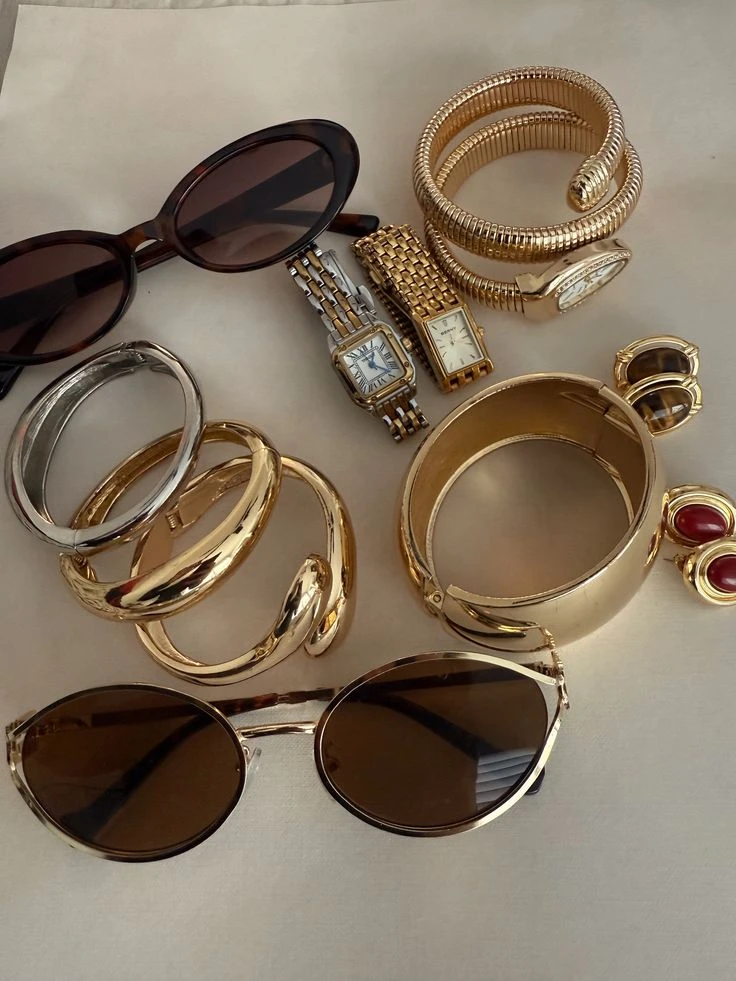
In this era, I know just how tempting trends can be. A flashy, new or exciting style drops and you just can’t help but try and get your hands on it, that’s completely understandable.
I have fallen into that trap more times than I would like to admit. The problem here is that too many trendy items lose their appeal very fast.
Once the excitement fades away (it always does eventually), those pieces of clothing are going to sit idly in your wardrobe, and worse mess up the entire structure of it.
Before buying a trend driven piece, I ask myself whether I can create at least three outfits with it. If the answer is no, I usually walk away and save my money.
2. Choosing Quantity Over Quality

‘The more the merrier’ is not a statement that should always hold weight in fashion. Yes, it can be very satisfying to leave the store with dozens of shopping bags, but is their content actually worth it.
More clothes doesn’t always mean better style. Cheap clothing would wear out and fade twice as fast, only after a few couple of washes.
Replacing those pieces repeatedly can become surprisingly expensive over time. A smaller collection of quality garments often delivers better value.
3. Shopping Without a Wardrobe Plan

Shopping for clothes without a premade lists of wears you need is like going grocery shopping when you’re hungry.
Everything at the store suddenly looks more appealing than it is, especially those items you didn’t intend to buy.
I used to purchase pieces simply because they looked attractive on their own. Later, I realized they matched almost nothing I already owned. Those purchases quickly became wardrobe orphans.
A simple wardrobe plan can help tremendously:
- Identify gaps in your closet
- Focus on versatile pieces
- Prioritize items you genuinely need
- Avoid random purchases
Thoroughly planning before shopping is going to help you make purchases that support your style.
Also Check Out: 8 Thrift Shopping Tips for Fashion Lovers (Better Outfits for Less Cash)
4. Ignoring Clothing Care Instructions
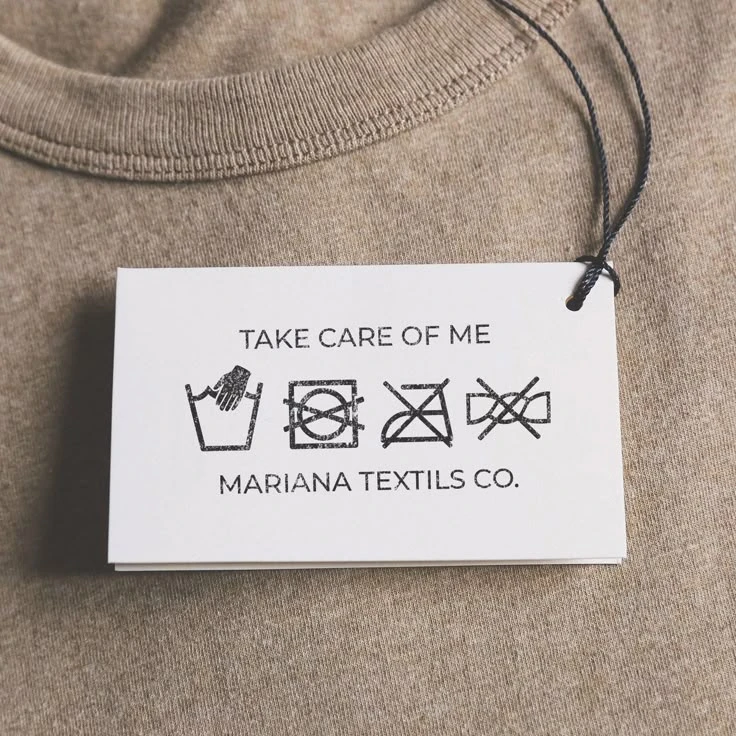
A lot of people ignore clothing care instructions (24% to 40% statistically). Ignoring them can shorten the lifespan of garments significantly.
I’m also guilty of this, until recently anyways. Watching a beloved piece become unwearable simply because you didn’t spend an extra two minutes to read the labels can be heartbreaking.
The fix is simple, just read the labels. Treating your clothes well is like maintaining a car. Following washing, drying, and storage instructions can save substantial money over time.
5. Purchasing Clothes That Do Not Fit Properly

Some people think they’re going to get bigger or taller, or envision that they’re body is going to change without any real reason. So they buy clothes ahead of time.
Well, I’m just going to say buying clothing for an imaginary future version of yourself is a terrible mistake. You end up purchasing clothing pieces that too small or large for the moment.
Clothes that fit properly right now are a better value for money instead of banking on a future shape or size that would probably never be realized.
When something fits correctly, it often looks more expensive and polished. Fit is the silent hero of great style, working behind the scenes to make every outfit shine.
6. Failing to Build a Versatile Capsule Wardrobe
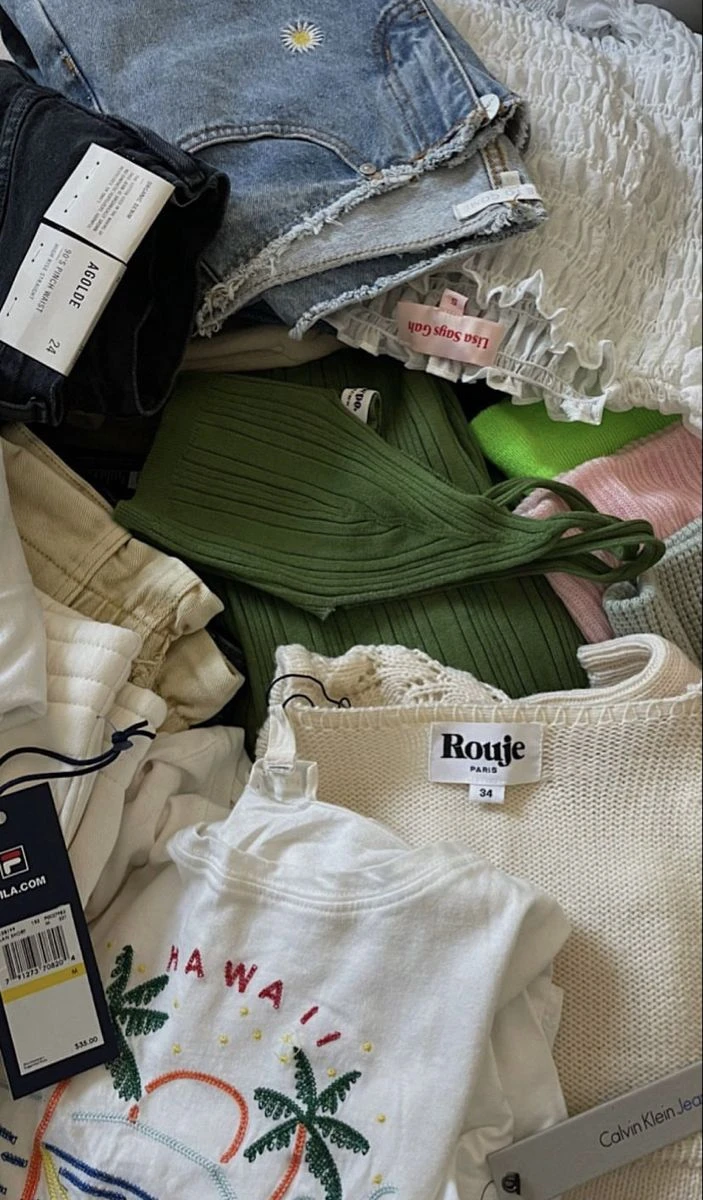
A lot of people see capsule wardrobes as a limitation on style, but it’s really just about maxxing out your possibilities.
A collection that’s thoughtfully chosen can be responsible for dozens of outfits from just a few pieces.
If you buy random pieces, you’ll very likely end up spending more money anyways. Your closet will grow larger, yet getting dressed would somehow became more difficult. The missing ingredient was coordination.
Benefits of a capsule wardrobe include:
- Fewer unnecessary purchases
- Easier outfit creation
- Better wardrobe organization
- Improved cost efficiency
When pieces work together naturally, every item earns its place and contributes real value.
7. Making Impulse Purchases During Sales
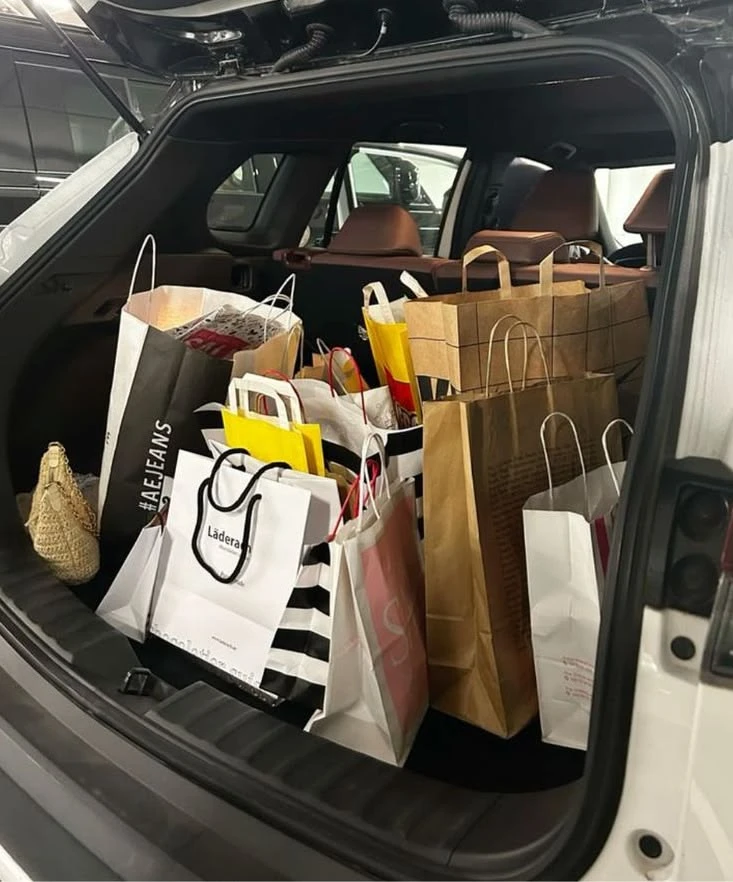
Sales can create a sense of urgency, as a matter of fact that’s the whole idea. A discount usually feels like an opportunity that you can’t afford to miss.
I once bought several heavily discounted items simply because the prices seemed attractive. Months later, most remained unworn. The savings were only an illusion because I never truly needed them.
A sale is only a bargain if the the item listed is something you were already going for. Otherwise, discounted clutter is still clutter, no matter how attractive the price tag appears.
Also Check Out: How to Dress for Your Body Type to Enhance Your Natural Look
8. Replacing Instead of Repairing Clothing

Modern shopping culture encourages people, especially young people to replace clothing items no matter the degree of damage instead of attempting to repair them.
Which is funny because so many disposed clothes that ends up in recycle bins or thrifts can be easily fixed.
I have extended the life of favorite pieces through simple repairs. Replacing a button, repairing a seam, or fixing a zipper often costs far less than buying something new.
Smart repair habits include:
- Replacing missing buttons
- Repairing loose seams
- Fixing broken zippers
- Resolving small issues early
A little maintenance can preserve clothing and help prevent unnecessary spending throughout the year.
9. Buying Duplicate Items You Do Not Need
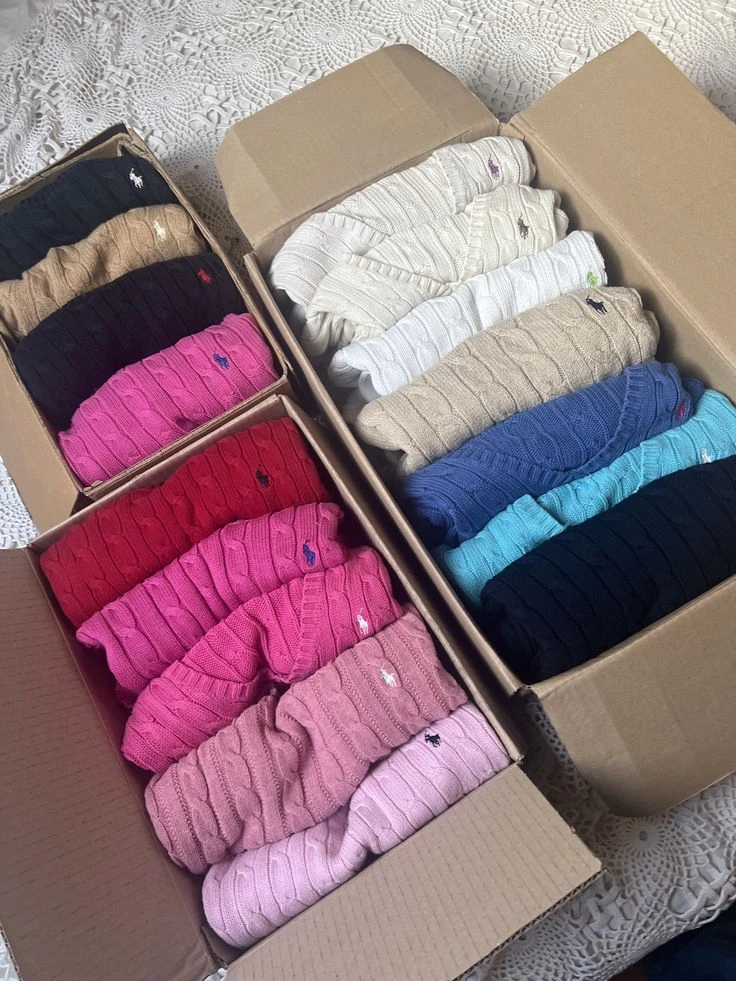
We’ve all have that one piece of clothing that you love so much and attempt to get another pair. While this occasionally makes sense, it often leads to unnecessary spending.
I have seen quite a number of closets that’s filled with identical items of clothes in the same or slightly different colors.
Most of the time, these items only end up competing, leaving you with less options and more thinking time before deciding what to wear.
Instead of collecting duplicates, I focus on filling genuine wardrobe gaps. Variety creates more outfit possibilities, while excessive repetition can quietly drain both space and money.
Finally
You don’t need to overhaul your entire wardrobe, that’s not the point of this post, but if you have some of these habits, I think it’ll be great for you to make a few adjustments.
Avoiding these common mistakes can allow your money to stretch further and be more useful to you.
Eventually, thoughtful choices and habits like mentioned in this post would make your closet filled with pieces that you genuinely love and wear.
Thanks for reading!