8 Key Differences Between Business Casual and Formal Wear Explained
If you’ve ever stood in front of your wardrobe before a big meeting, completely unsure what to wear, you’re not alone. Dress codes can feel confusing, especially when the line between business casual and formal wear seems blurry. This guide breaks down the eight biggest differences so you never have to second-guess yourself again.
1. Dress Shirts and Tops, Collar Rules, Fabric, and Fit
Business Casual Shirts
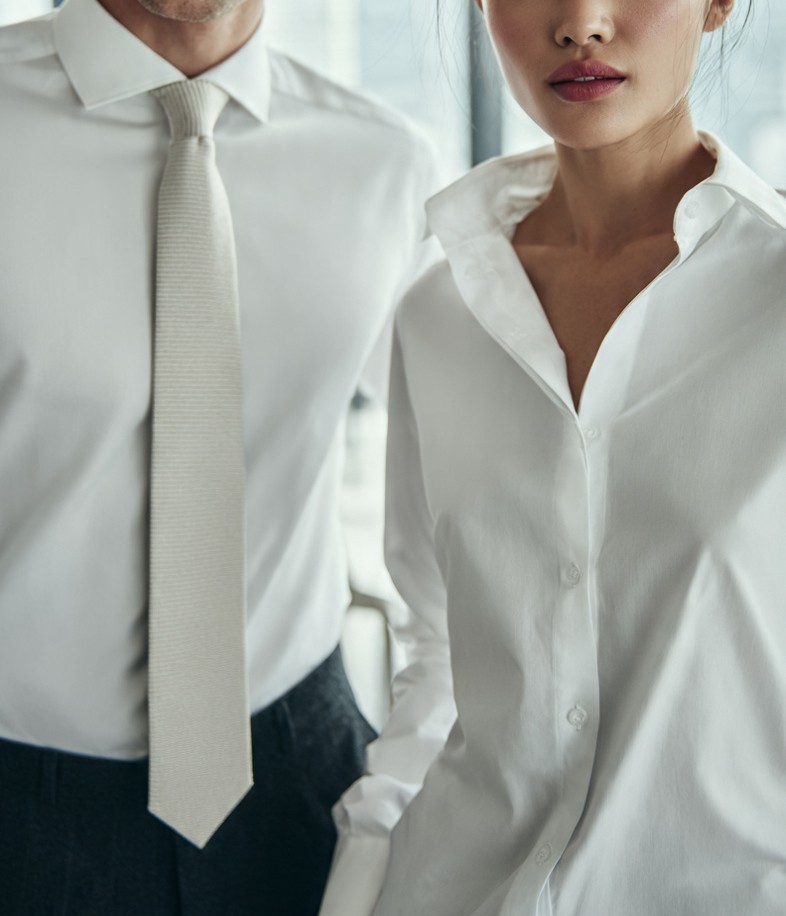
In business casual, you have more options. You’re not restricted to just dress shirts. A neat polo, a fitted blouse, or even a smart button-down without a tie can work perfectly.
The fabric doesn’t need to be ultra-crisp. Cotton blends, linen, and soft weaves are all acceptable.
Formal Shirts
Formal wear calls for a proper dress shirt, always. It should be:
- Crisp and well-ironed
- Made from quality cotton or poplin fabric
- Fitted properly at the shoulders, chest, and cuffs
- Paired with a tie in most formal settings
The collar matters too. A spread collar or point collar is standard for formal occasions. No soft, unstructured collars here.
The Fit Factor
Whether casual or formal, fit is everything. A poorly fitting shirt can ruin even the most expensive outfit. Always aim for a clean, tailored look regardless of the dress code.
2. Trousers, Skirts, and Bottoms, From Chinos to Dress Pants
What Works for Business Casual
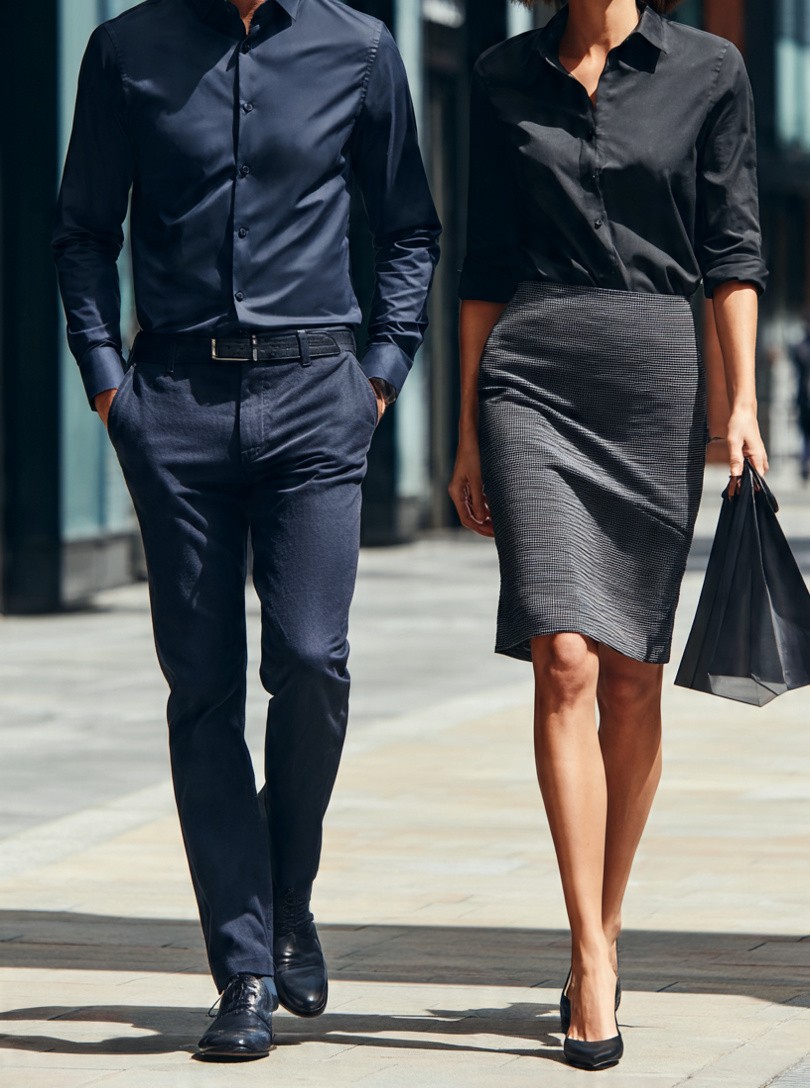
Business casual gives you a bit of flexibility with your bottoms. You don’t have to wear full dress pants every day.
Acceptable options include:
- Chinos in neutral tones like navy, beige, or grey
- Tailored trousers without the full suit requirement
- Midi skirts or knee-length skirts for women
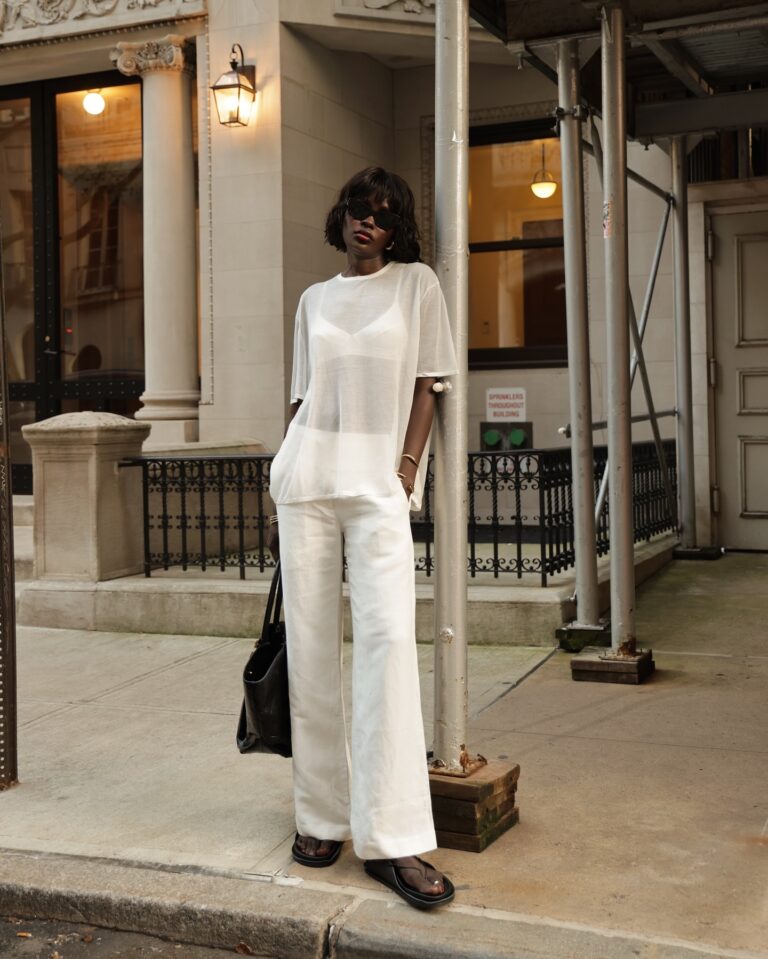
- Smart culottes or wide-leg trousers in solid colors
The key is to avoid anything too casual, so no ripped jeans, cargo pants, or overly relaxed fits.
What Formal Wear Demands
Formal bottoms are much more specific. You’re looking at:
- Full dress trousers that match your suit jacket
- Straight or slim cuts in dark, solid colors
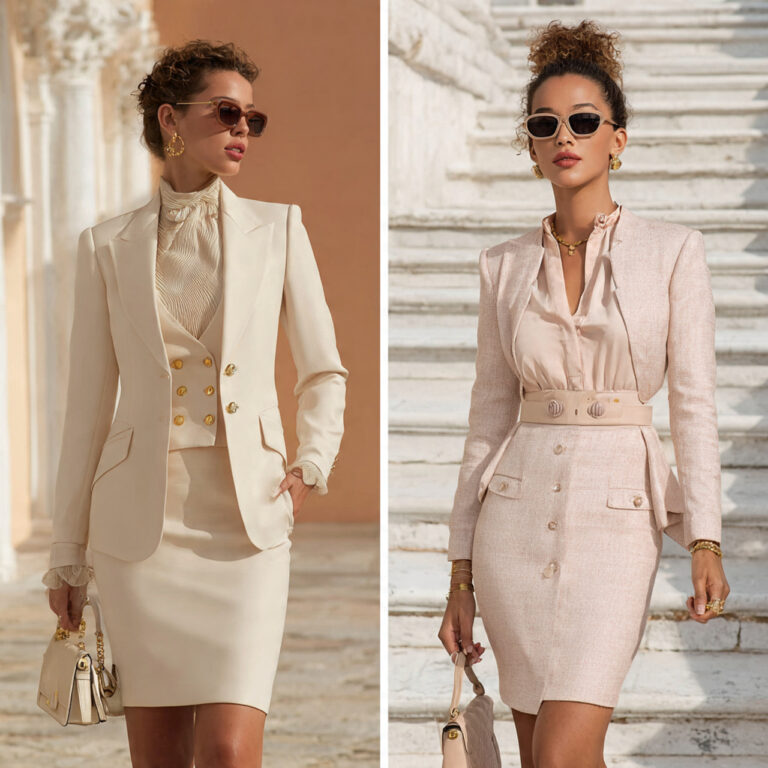
- Pencil skirts or tailored A-line skirts for women
- High-quality wool or wool-blend fabrics
Creases should be sharp, the fit should be precise, and there should be no compromise on fabric quality.
3. Jackets, Blazers, and Suits, When a Suit Is Non-Negotiable
Blazers in Business Casual
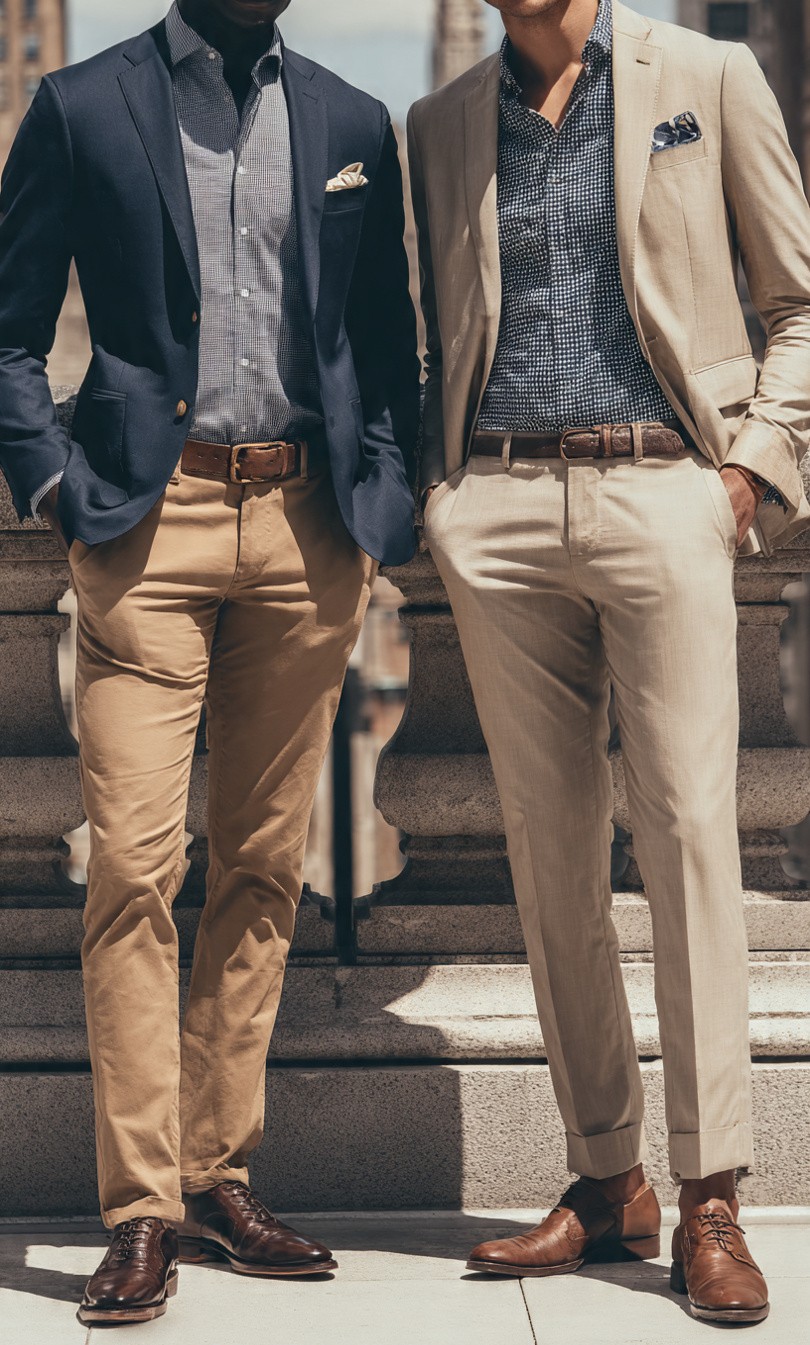
A blazer is your best friend in business casual. It instantly elevates any outfit without going full formal.
You can pair a blazer with chinos and a simple shirt and look completely appropriate for most business casual settings. The blazer doesn’t need to match your trousers perfectly.
The Full Suit in Formal Settings
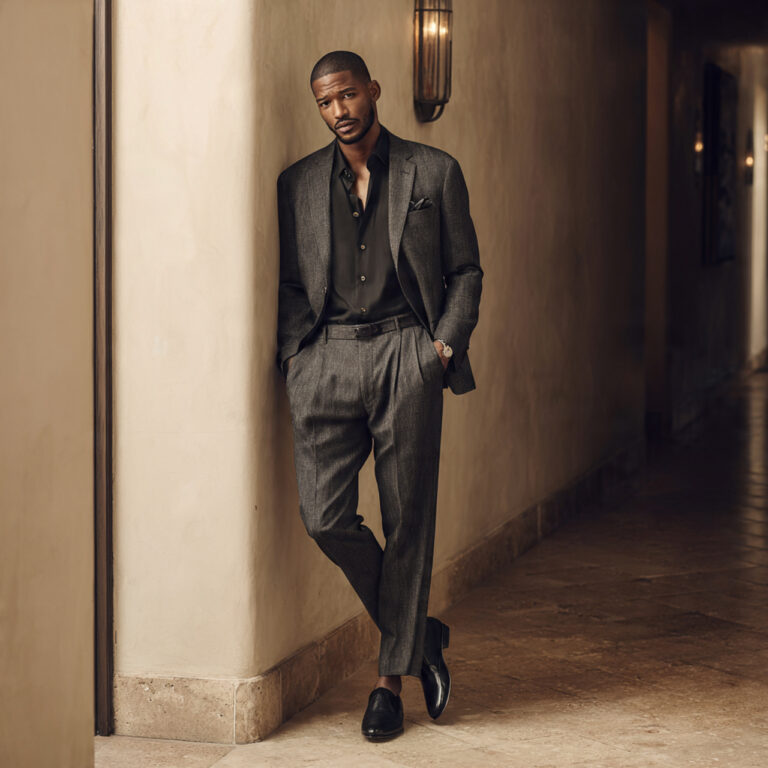
In formal wear, the full suit is almost always required. A matched jacket and trouser set in a classic cut is the standard.
Here’s what makes a formal suit stand out:
- Single or double-breasted styles in navy, charcoal, or black
- High-quality fabric like wool, wool-cashmere blends, or hopsack
- A proper lining for structure and comfort
- Buttons that are subtle and professional
Wearing a blazer alone to a formal setting can come across as underdressed. When in doubt, wear the full suit.
4. Footwear, Loafers vs. Oxford Shoes and Everything in Between
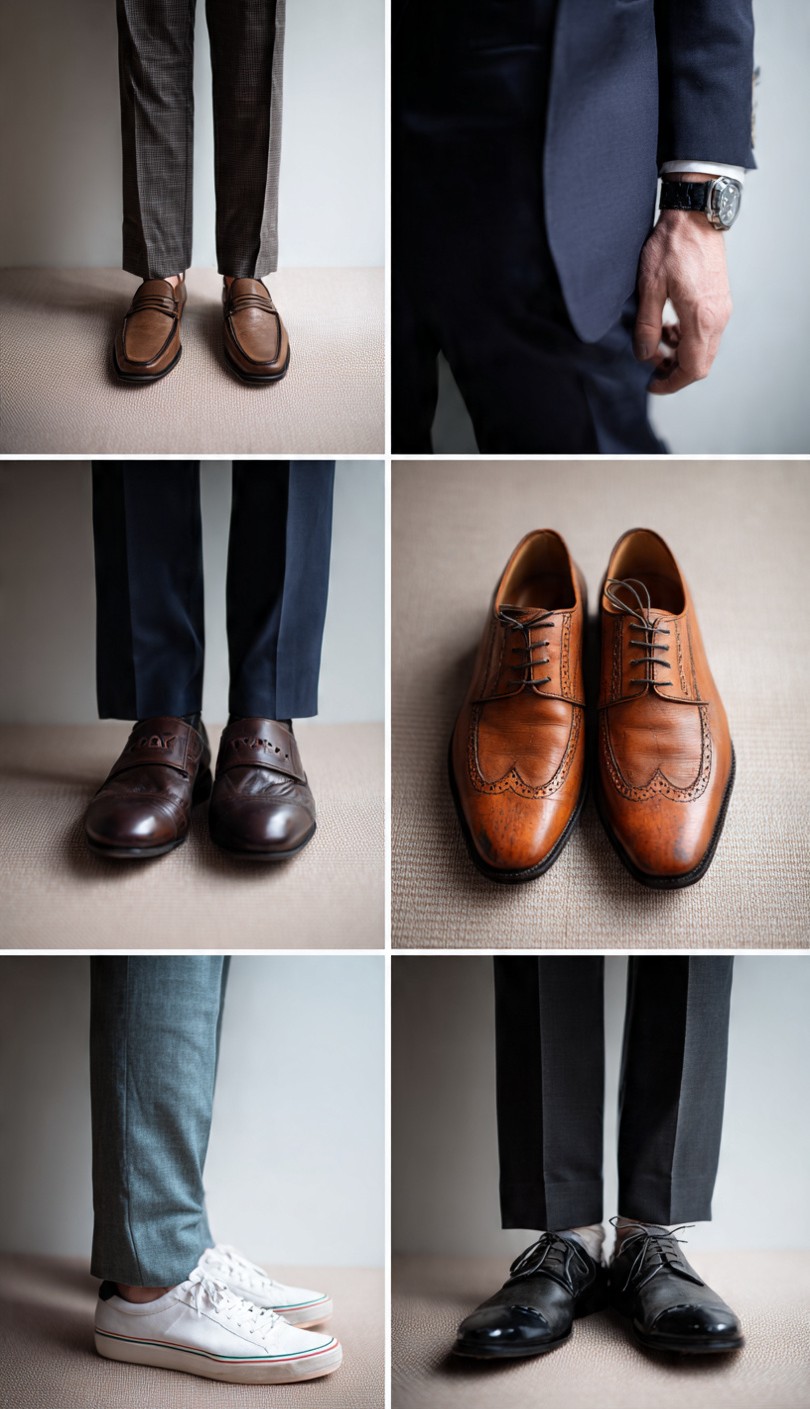
Business Casual Footwear
Shoes in business casual settings are more forgiving. You have room to show a little personality without breaking the rules.
Some solid options include:
- Leather loafers in brown or black
- Derby shoes for a slightly relaxed formal look
- Clean, minimalist sneakers in some modern workplaces
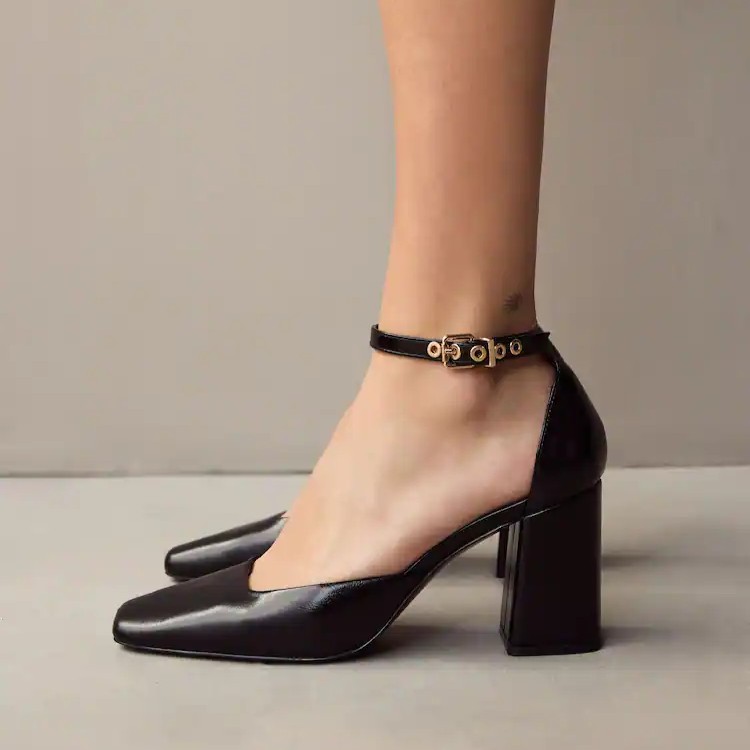
- Block-heel pumps or ankle boots for women
Just make sure your shoes are clean, in good condition, and not overly casual. Flip-flops and beat-up trainers are still a no.
Formal Footwear
Formal wear is very specific about shoes. You’re looking at classic styles with a polished finish.
The go-to options for formal settings are:
- Oxford shoes, the gold standard of formal footwear
- Derby shoes for slightly less strict environments
- Monk strap shoes for a refined, polished look
- Court heels or pointed-toe pumps for women
The color should complement your suit. Black shoes with charcoal or black suits, brown or tan shoes with navy or grey.
5. Accessories, Ties, Pocket Squares, Belts, and Watches
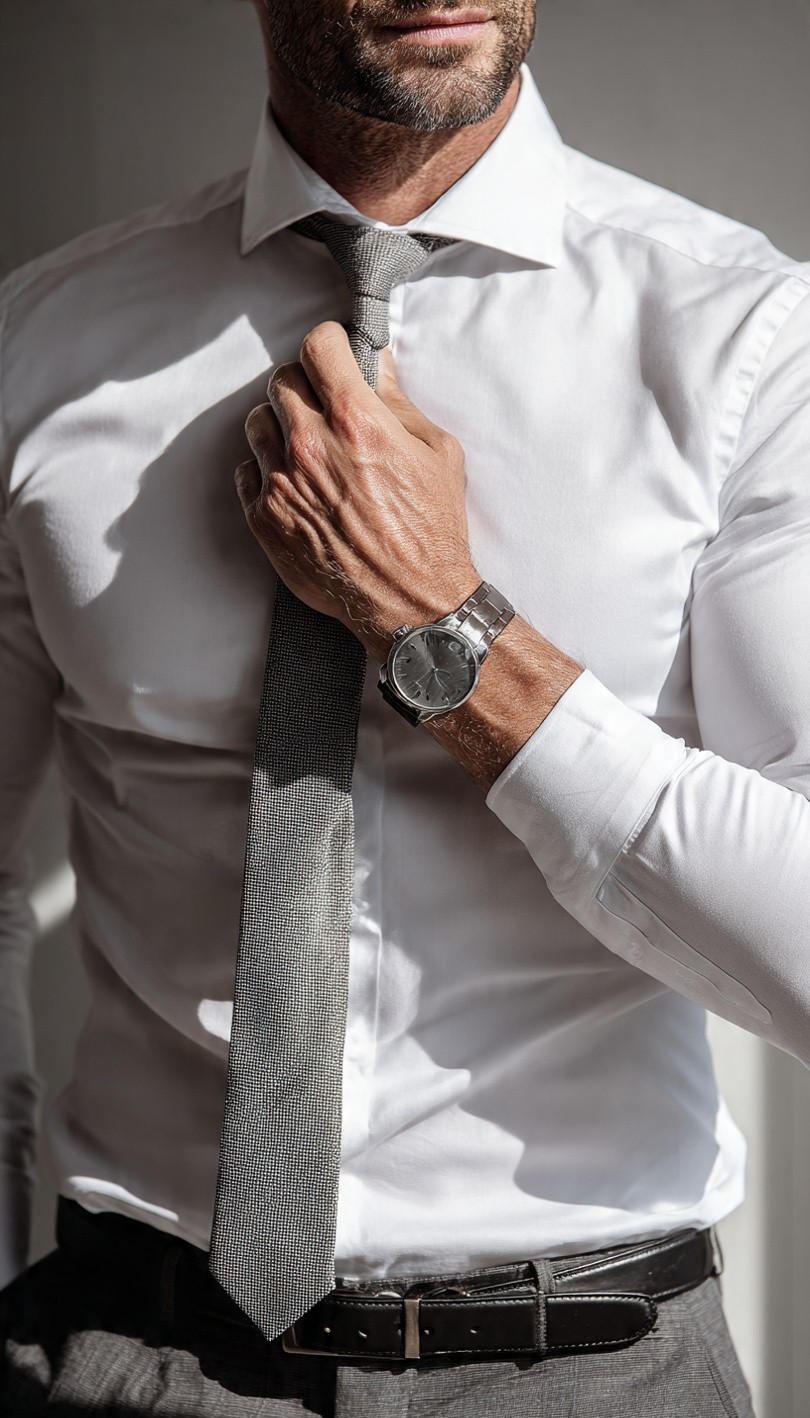
Accessories in Business Casual
Accessories in business casual are meant to add personality without going overboard. You don’t have to wear a tie, but you shouldn’t completely ignore accessories either.
A simple watch, a clean leather belt, and maybe a subtle bracelet or small earrings for women are all you need. Keep it understated.
Accessories in Formal Wear
Formal wear has a more defined accessory checklist. Each piece serves a purpose and contributes to a polished, cohesive look.
Here’s what you should consider:
- A well-knotted tie in silk or a quality fabric blend
- A pocket square that complements but doesn’t match your tie
- A leather belt that matches your shoe color
- Cufflinks if your shirt has French cuffs
- A classic watch, preferably with a leather strap
Avoid chunky jewelry, novelty accessories, or anything that feels too casual. Formal accessories should enhance your look, not compete with it.
6. Colors and Patterns, What’s Acceptable in Each Dress Code
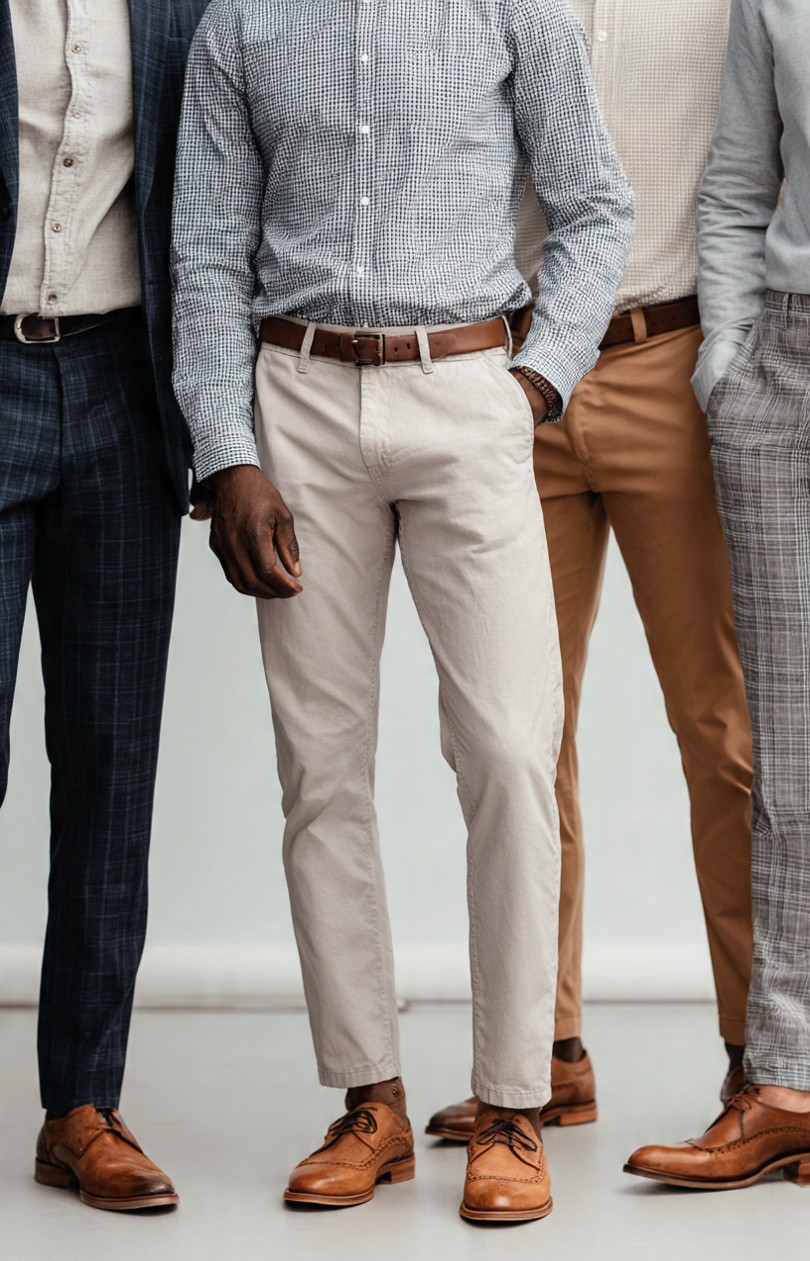
Color in Business Casual
Business casual allows for a wider color palette. You can experiment more here without looking out of place.
Acceptable colors and patterns include:
- Soft pastels like blush, sky blue, or mint
- Earth tones like camel, rust, and olive
- Subtle patterns like thin stripes or small checks
- Pops of color through accessories or footwear
Just avoid anything too loud or distracting. The goal is still to look professional.
Color in Formal Wear
Formal wear sticks to a much more restrained color palette. Classic, muted, and timeless is the approach.
Stick to:
- Navy, charcoal, and black for suits
- White or pale blue for shirts
- Deep tones like burgundy or forest green for ties
- Minimal patterns, thin pinstripes at most
Bright colors, bold prints, and trendy patterns are best left out of formal settings entirely.
7. Fabric and Fabric Quality, Why Material Choices Define Formality
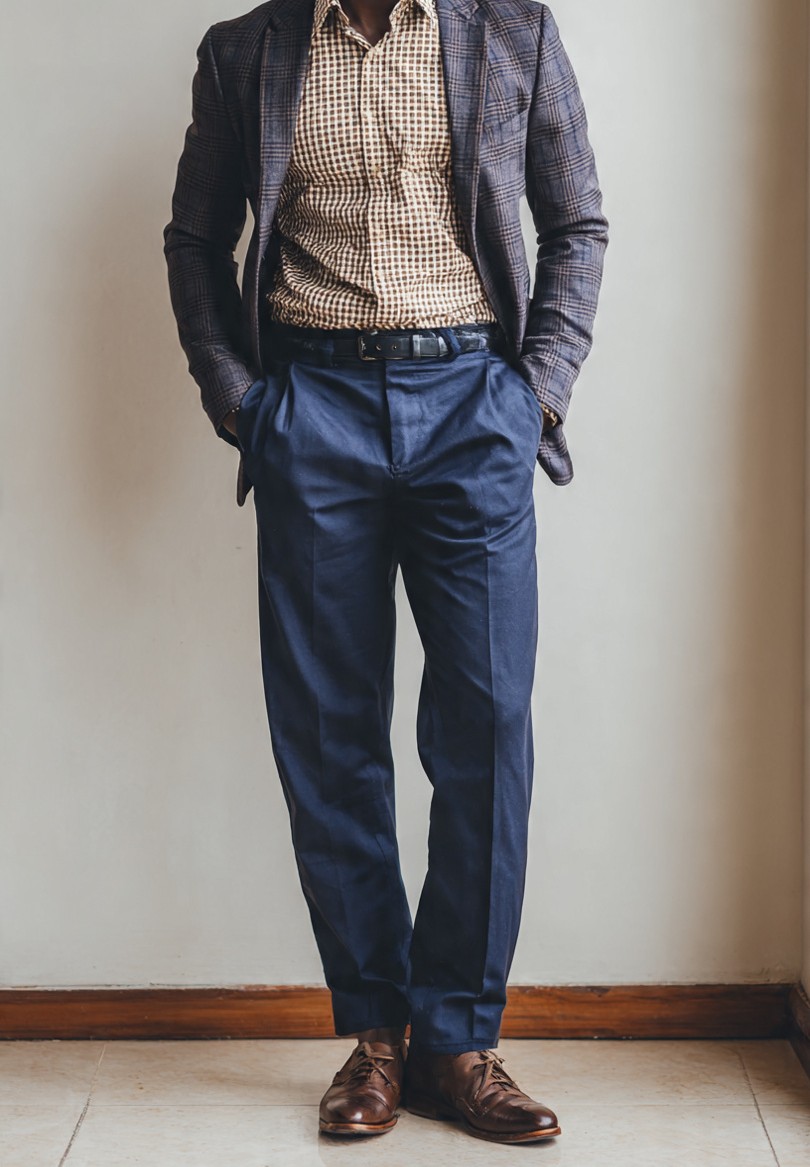
Fabrics in Business Casual
Business casual fabrics are more relaxed and breathable. You’re not expected to wear heavy wool every day, especially in warmer climates.
Good fabric choices for business casual include:
- Cotton and cotton blends for shirts and trousers
- Linen for a smart, breathable warm-weather look
- Ponte knit for structured dresses or trousers
- Light wool blends for blazers
The fabrics should still look neat and hold their shape throughout the day.
Fabrics in Formal Wear
Formal wear relies on fabrics that look structured, refined, and high-quality. Cheap fabrics are immediately noticeable in formal settings.
The best options are:
- Wool and wool blends for suits
- Poplin or twill cotton for dress shirts
- Silk for ties and pocket squares
- Leather for shoes and belts
Investing in quality fabric for formal pieces is always worth it. They drape better, last longer, and signal credibility without you saying a word.
8. Grooming and Overall Presentation, The Finishing Touches
Business Casual Grooming
In business casual settings, grooming still matters but there’s a bit more flexibility. You don’t need to look runway-ready every single day.
A neat haircut, clean skin, and a tidy appearance go a long way. Light fragrance, clean nails, and well-maintained clothing round everything out.
For men, a well-groomed beard is generally acceptable in most business casual environments.
Formal Wear Grooming
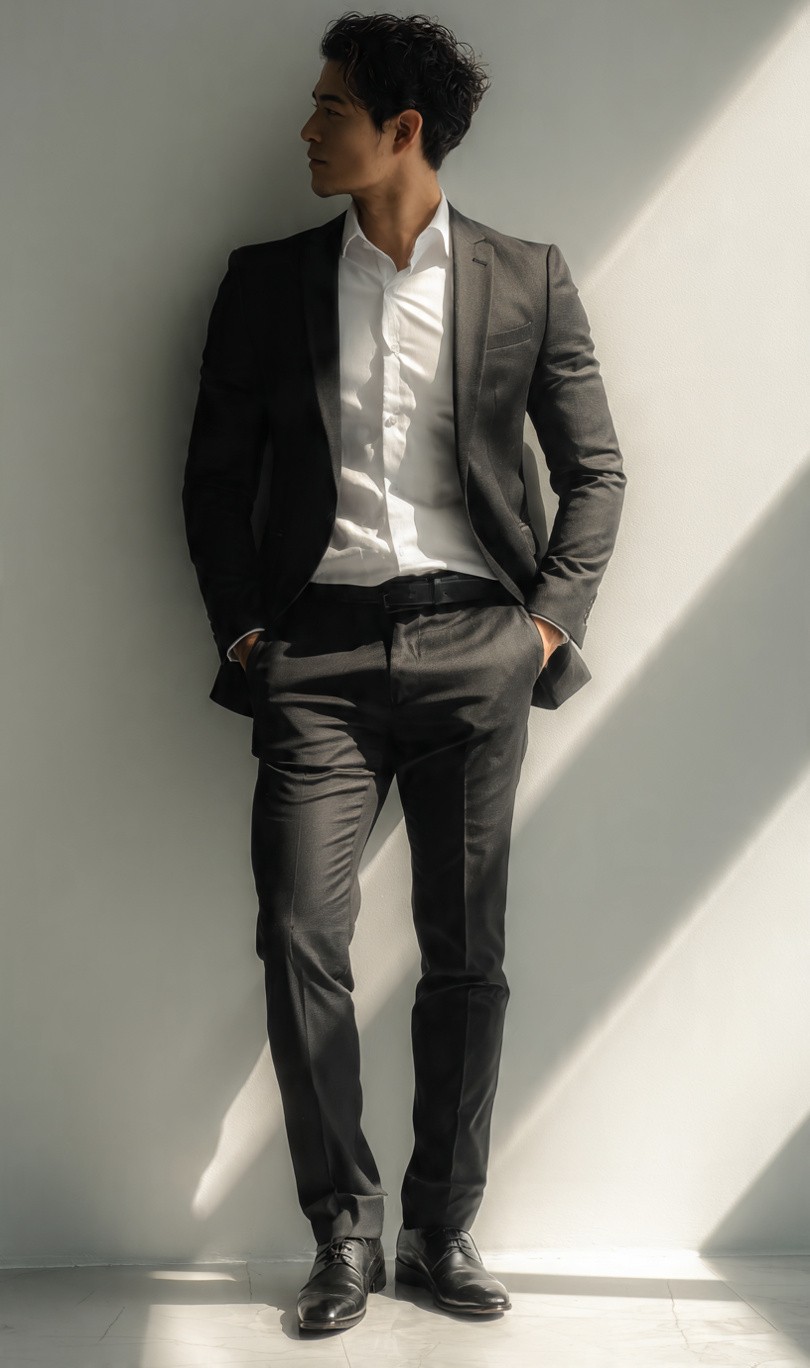
Formal settings raise the bar for grooming significantly. Every detail is noticed, from your haircut to the shine on your shoes.
Key grooming points for formal occasions:
- Hair should be neatly styled and well-maintained
- Facial hair should be clean-shaven or very precisely groomed
- Fragrance should be light and not overpowering
- Nails should be clean and trimmed
- Clothes should be ironed, lint-free, and in excellent condition
Think of grooming as the final layer of your outfit. It can either pull everything together or quietly undermine an otherwise great look.
Business Casual vs. Formal Wear: Side-by-Side Comparison Chart
| Category | Business Casual | Formal Wear |
|---|---|---|
| Tops | Polo, blouse, casual button-down | Crisp dress shirt with collar |
| Bottoms | Chinos, tailored trousers, midi skirts | Suit trousers, pencil skirts |
| Jacket | Blazer optional | Full suit required |
| Shoes | Loafers, clean sneakers, ankle boots | Oxfords, court heels |
| Tie | Not required | Usually required |
| Colors | Wider palette, pastels, earth tones | Navy, black, charcoal, white |
| Fabric | Cotton, linen, light blends | Wool, poplin, silk |
| Grooming | Neat and tidy | Precise and polished |
How to Transition Your Wardrobe Between Both Dress Codes
Building a wardrobe that works for both dress codes doesn’t have to be expensive or complicated. The trick is investing in versatile, high-quality pieces that can shift from casual to formal with small adjustments.
Start with these foundational pieces:
- A well-fitted navy or charcoal suit that works formally and can be broken up casually
- Two or three quality dress shirts in white and pale blue
- A pair of Oxford shoes that bridge both dress codes
- Neutral chinos that pair well with your blazer
- A classic watch that works in any setting
The goal is a capsule wardrobe where most items work together in different combinations. Add or remove accessories and layers to adjust the formality level as needed.
Conclusion
Understanding the difference between business casual and formal wear is really about reading the room and dressing with intention. Once you know the rules, you can work within them, and even bend them slightly, with confidence.
The key takeaways are simple. Fit always matters. Fabric quality speaks for itself. Grooming is the final layer that pulls everything together. And when in doubt, it’s always better to be slightly overdressed than to show up underprepared.
Build your wardrobe thoughtfully, invest in versatile pieces, and you’ll find that dressing for any professional setting becomes a lot less stressful and a lot more enjoyable.