How to Dress Well as a Man on a $500 Budget
You don’t need a closet full of luxury labels or a trust fund to look good. Years of trial and error have taught me that dressing properly is more about making wise, deliberate decisions with whatever budget you’re dealing with than it is about spending a lot of money.
You’re actually in a wonderful position to develop a strong foundation of adaptable pieces that will serve you well for years to come if you have $500 to invest in your wardrobe. Whether you’re heading to work, going on a date, or simply meeting friends for coffee, the secret is to know where to spend, where to save, and how to get the most of every dollar so you seem put together.
Start With the Foundation: The Essential Basics
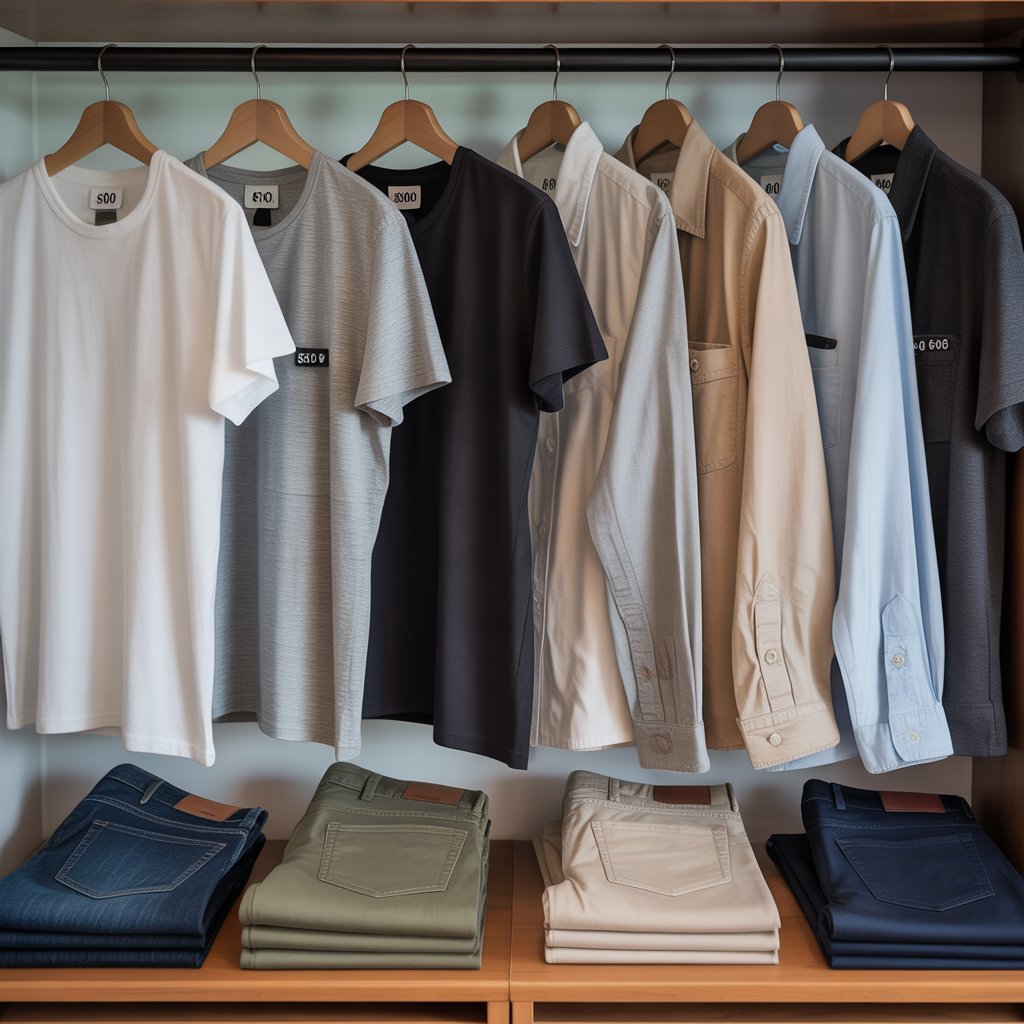
Building a foundation of fundamentals that will serve as the cornerstone of your wardrobe is necessary before you become enthusiastic about that striking patterned shirt or fashionable blazer. Consider these as the supporting cast members who enable everything else to function. I’m referring to basic button-up shirts, neutral-colored chinos, a few solid pairs of denim, and well-fitting t-shirts.
You want a t-shirt that doesn’t swell around your belly and fits properly in the shoulders. White, gray, navy, and black are the most effective hues. Good basics can be found in stores like Target’s Goodfellow brand, Uniqlo, and Everlane. Set aside roughly $60 for four or five quality t-shirts. Don’t cut corners on fit because these will be the things you wear the most.
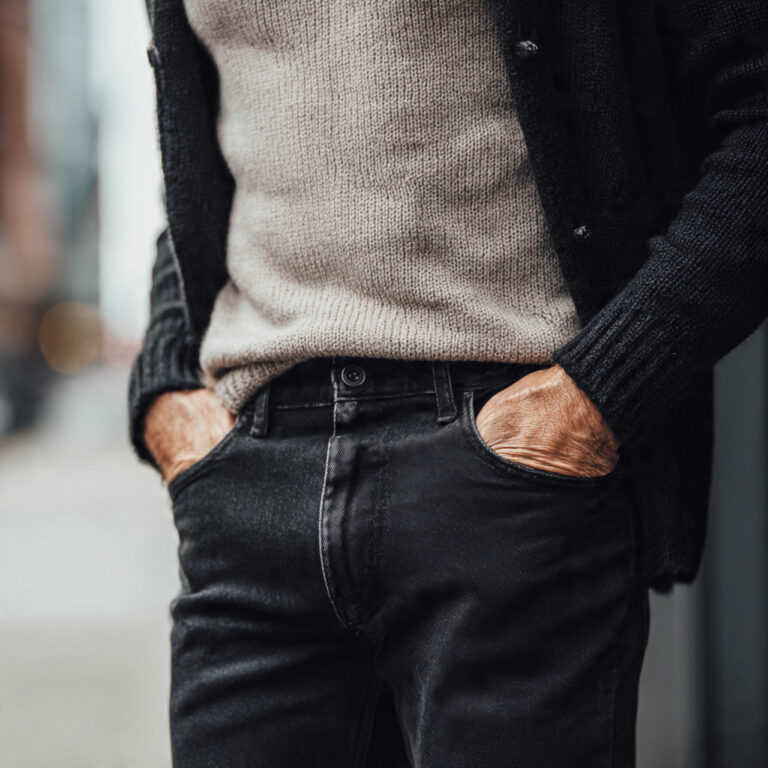
Next up, invest in two pairs of jeans, one in a dark indigo wash and one in a lighter or black wash. Dark jeans are incredibly versatile and can even work in business casual settings when paired with the right shoes and shirt. Look for brands like Levi’s, Unbranded, or Gap.
For about $100 to $120, you should be able to get two sturdy pairs. Make sure the thighs, waist, and seat fit properly, and have them hemmed if needed. For $10 to $15, a skilled tailor can accomplish this, and it makes all the difference.
Put one pair of blue, olive, or khaki chinos in your shopping cart. Compared to jeans alone, chinos are more versatile and can be worn in slightly dressier settings. You can frequently get a pair for $40 to $60 during deals at brands like Bonobos, J.Crew Factory, or Banana Republic. Once more, fit is crucial. Get them changed if you locate a pair that fits perfectly everywhere but not in terms of length.
The Shirts That Do the Heavy Lifting
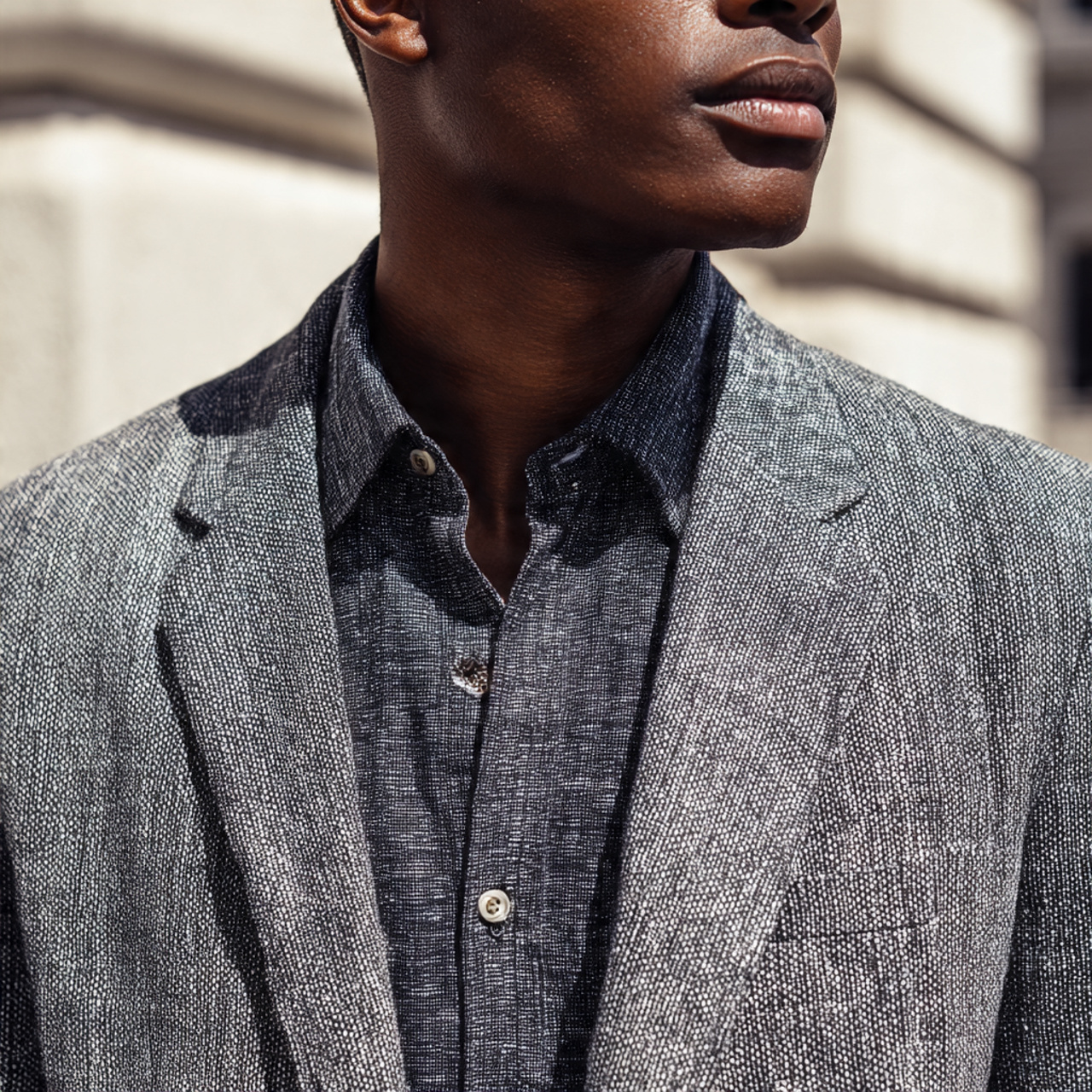
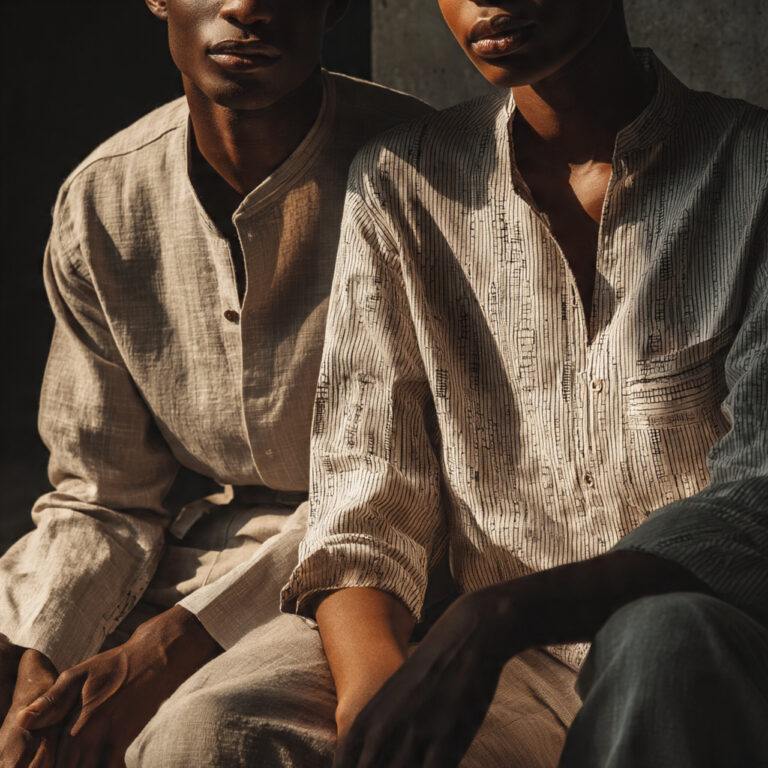
Button-up shirts are where you can start to show a bit of personality while still keeping things versatile. I recommend starting with two or three shirts in solid colors or subtle patterns. A white oxford cloth button-down is an absolute must, it works with jeans, chinos, under a blazer, or on its own. Add a light blue one and maybe a chambray shirt for texture variation.
Excellent selections can be found at Charles Tyrwhitt, particularly during their sales when shirts drop to about $30 each. You can also check out the consistently high-quality Oxford shirts from Uniqlo. For three shirts, budget around $90. The appeal of these timeless pieces is that they can be dressed up or down according on the outfit you choose.
I’ve learned to pay attention to the fabric quality and collar construction. Even at the same price, a shirt with a structured collar that doesn’t flop or curl looks far nicer than one with a flimsy one. Before purchasing, feel the cloth; it should have some texture and weight.
Footwear: Where Your Money Shows Most
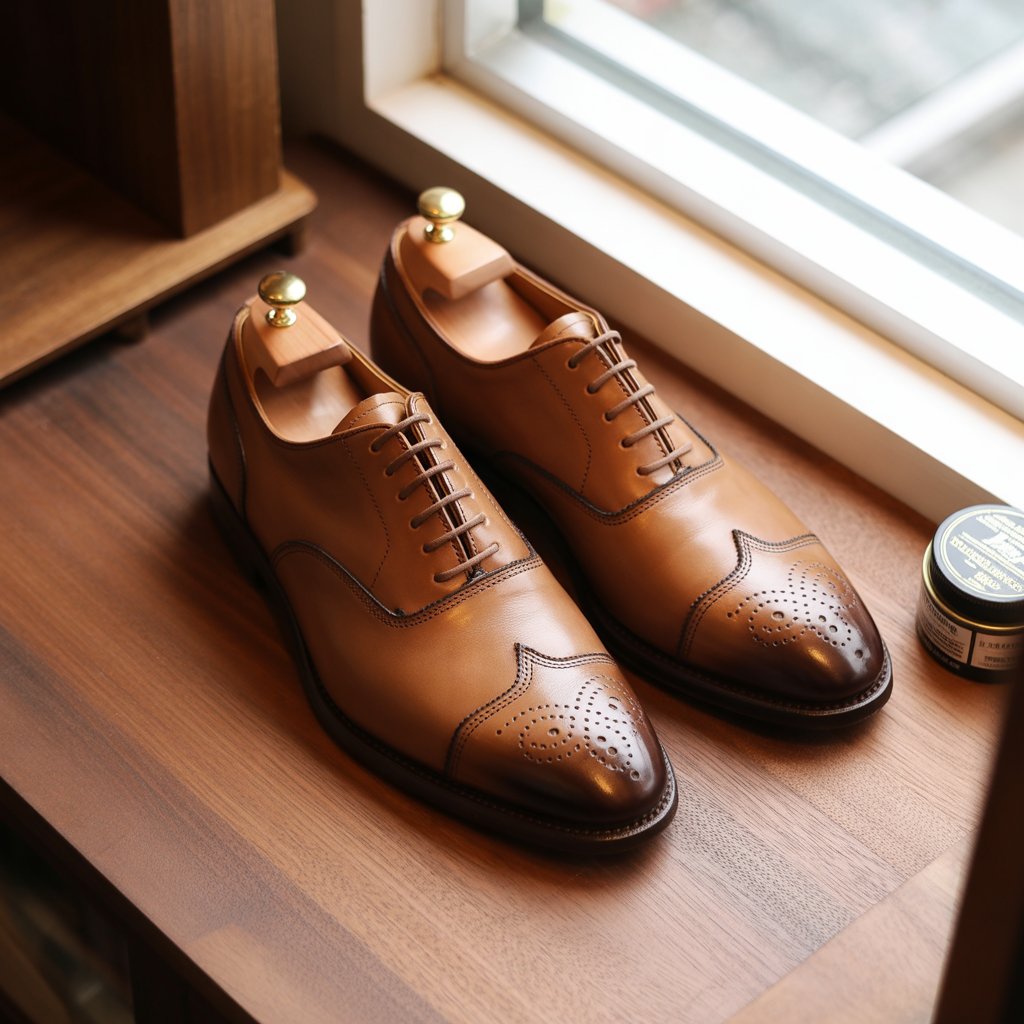
Here’s something I wish someone had told me earlier in my style journey, your shoes will make or break your entire outfit. I’ve seen guys in perfect jeans and a great shirt completely undermine their look with beat-up, juvenile sneakers. Good footwear is worth the investment because it lasts longer, looks better, and elevates everything you wear.
With a $500 budget, I’d allocate about $150 to $180 for shoes, which will get you two solid pairs. First, you need a versatile pair of leather shoes. White leather sneakers are having a moment and for good reason, they work with almost everything from jeans to chinos to even casual suits. Brands like Greats, Thursday Boots’ Premier Sneakers, or Beckett Simonon offer quality at reasonable prices, usually around $80 to $100.
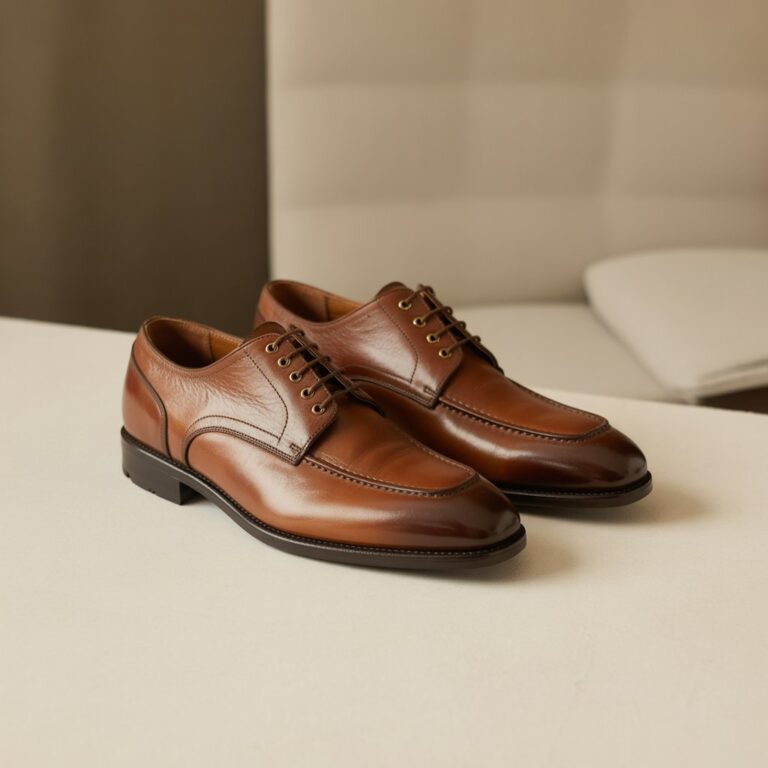
Depending on your needs and style, your second pair should be either brown derbies or brown leather boots. Boots are useful and fashionable if you live somewhere with real weather. You may dress up or down with Thursday Boots, Meermin, or even Clarks Desert Boots.
Here, set aside $80 to $100. Your shoes will last for many years if you take good care of them. To keep them in shape, use shoe trees, which are available for $15. Regularly clean and condition leather. A $100 pair of shoes may appear much more expensive with a little upkeep.
The Outerwear That Pulls It Together
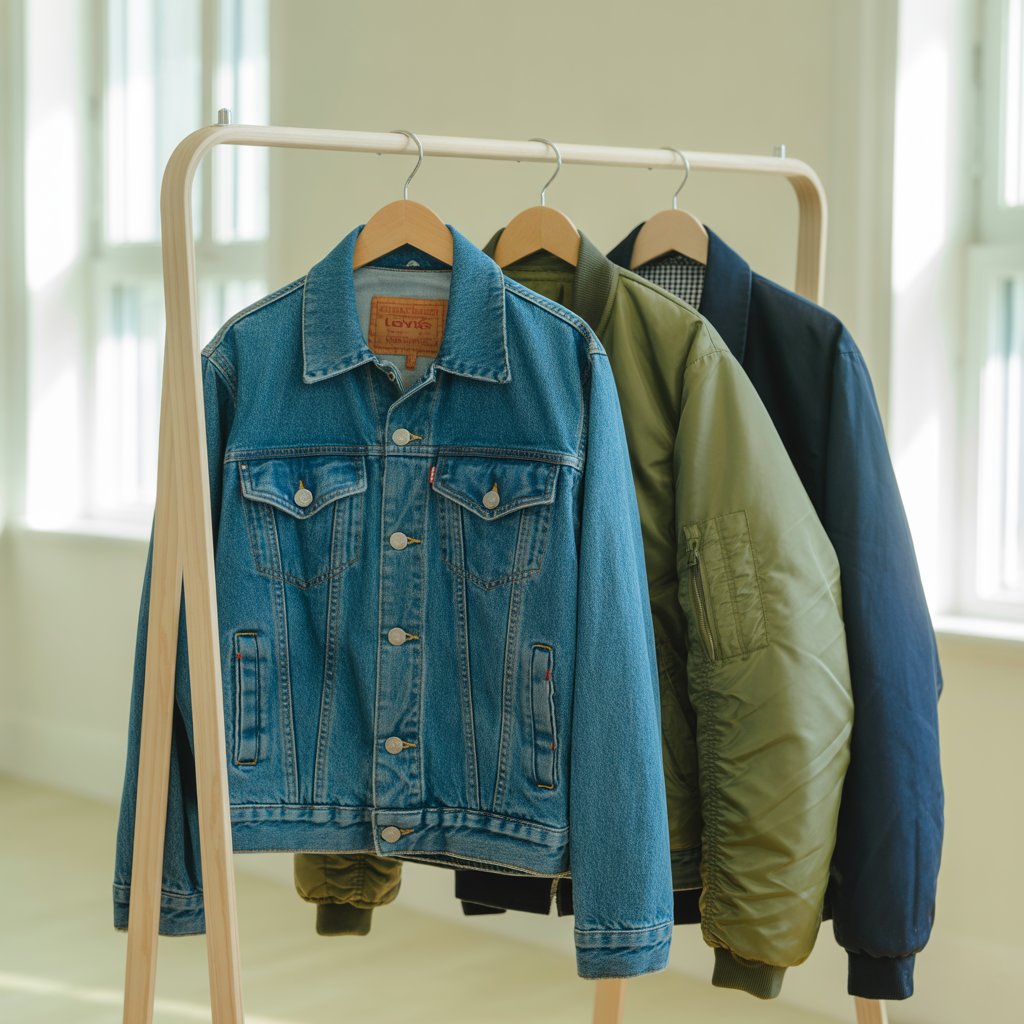
A good jacket is worth its weight in gold because it’s literally the first thing people see. With about $100 to $120 left in your budget, you want one versatile piece of outerwear that works in multiple contexts.
Depending on your lifestyle, I suggest that most guys start with a denim jacket or a casual blazer in gray or blue. While a denim jacket is ideal for everyday casual wear and instantly elevates even the most basic t-shirt and jeans ensemble, a casual blazer can take you from date night to job interviews to more elegant dinners.
Good blazers in this price range are frequently available at J.Crew Factory, H&M, and ASOS. The gold standard for denim jackets is the Levi’s Trucker Jacket, which typically costs between $70 and $80. When wearing outerwear, it is imperative to ensure that the shoulders fit correctly. Shoulder modifications are costly and frequently not worthwhile, but everything else can be adjusted if necessary.
If you live in a colder climate, you might want to invest in a more practical winter coat instead. A wool blend peacoat or a bomber jacket works well. The key is choosing something in a neutral color that complements everything else in your wardrobe.
The Secret Weapons: Accessories and Grooming
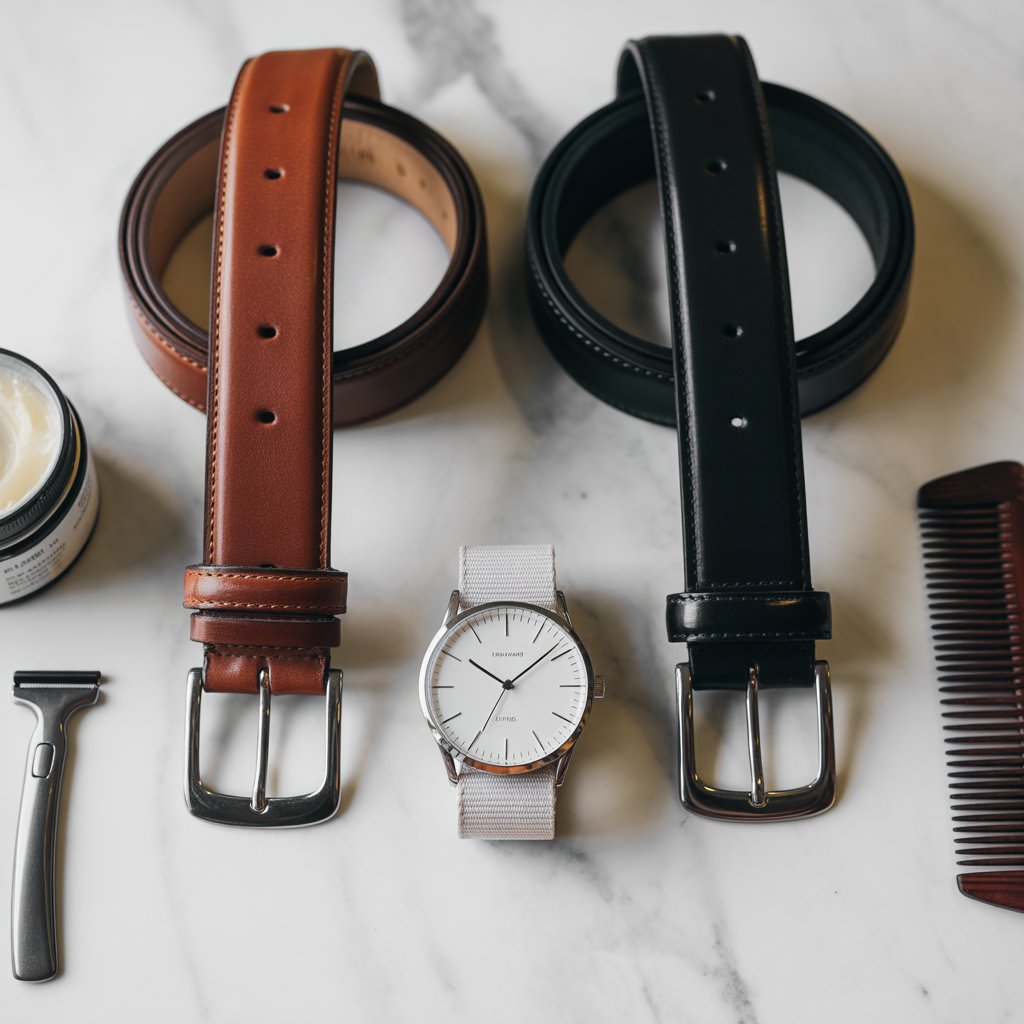
Spend the remaining $50 to $70 on grooming and accessories. I’m referring to a basic brown and black leather belt, both of which cost between $20 and $30 at stores like Meermin or Nordstrom Rack. It’s a basic guideline that many guys overlook, but it makes a big difference: your belt should always match your shoes.
Get a basic watch, even if it’s only a $40 Casio or Timex Weekender. A watch offers a last touch that demonstrates your attention to detail. You only need to keep things tidy and uncomplicated.
Allocate some budget for grooming as well. A proper haircut makes a huge difference in your overall appearance. Find a good barber, not just the cheapest option, and get a cut that suits your face shape. Budget $25 to $30 and go every four to six weeks.
Shopping Strategies That Stretch Your Dollar
Let me now discuss some purchasing tips that have helped me save hundreds of dollars over the years. First, if at all possible, avoid paying the full retail amount. Get discount codes by subscribing to email lists from brands you like. Look for end-of-season discounts of 40% to 60% on merchandise. Find out when brands usually offer sales so you can make plans appropriately.
Second, factory stores and outlet retailers frequently offer the same quality at a lower cost. If you know what to look for, J. Crew Factory, Banana Republic Factory, and Nordstrom Rack are gold mines. The sales may be alluring, but you don’t want to waste money on items you won’t wear, so be picky and stick to your list.
Third, don’t underestimate the power of a good tailor. Buying something slightly cheaper that fits almost right and getting it tailored for $20 often looks better than buying something expensive off the rack. A tailor can hem pants, take in shirts, shorten sleeves, and adjust waists. It’s usually cheap and transforms how clothes fit your body.
Fit Over Everything Else
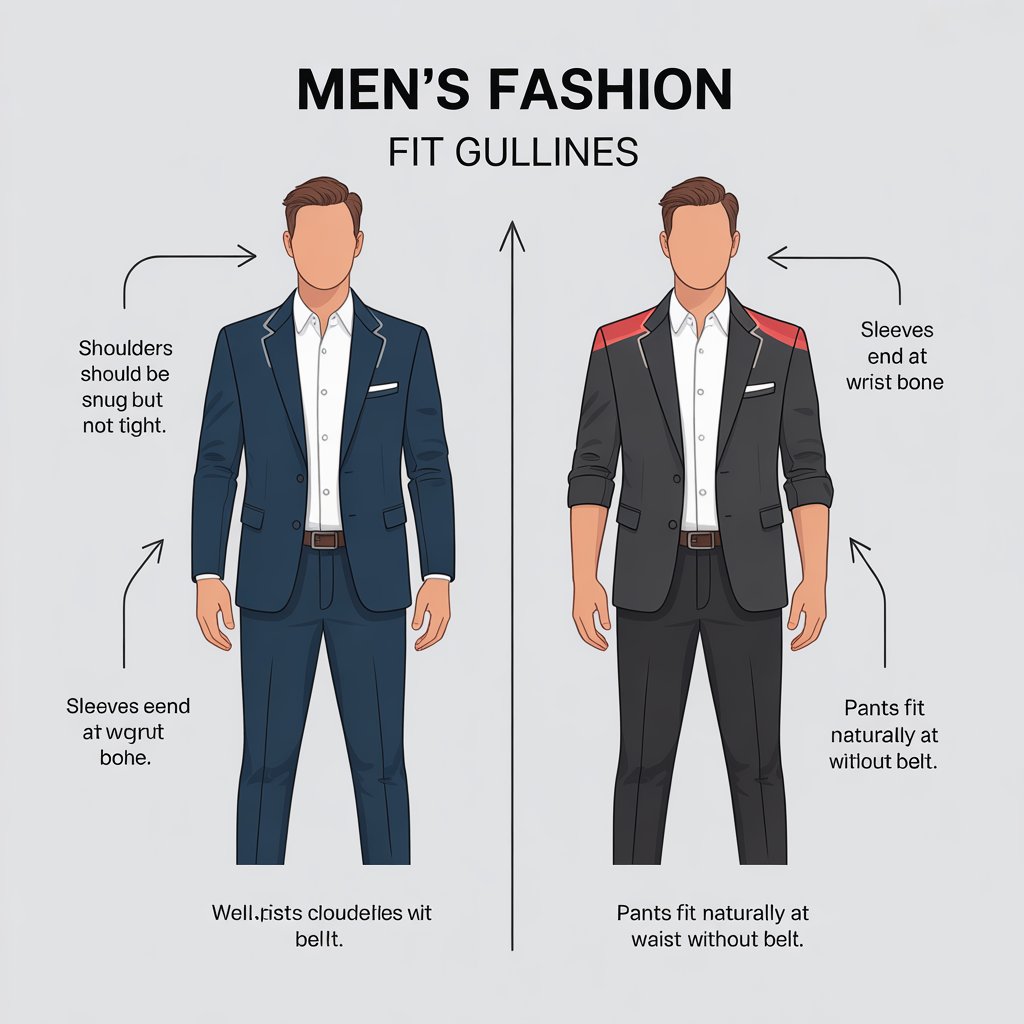
Fit is more crucial than name, price, or trends, and I can’t emphasize this enough. A $200 shirt that is too big will not look as good as a $30 shirt that fits you exactly. Pay attention to how the shoulders fit when trying on clothing; they should be snug but not tight. The sleeves should terminate at your wrist bone, and the chest should be roomy enough that you are not pulling buttons.
When it comes to pants, they should fit snugly around your natural waist and not require a belt to support them. The seat should allow for some mobility but not be overly roomy. For a more contemporary appearance, pants should either have no break or a small break at the shoe.
If you’re unsure about fit, take photos of yourself in the fitting room and look at them later. Sometimes the mirror lies but photos don’t. Better yet, bring a trusted friend whose style you admire.
Final Thoughts
After you’ve used your $500 investment to lay this foundation, you’ll have a wardrobe that works for the majority of your life’s circumstances. From here, you can gradually add items as your budget permits, like as a more elegant sweater, an additional pair of shoes, some patterned shirts, or accessories that express your individuality.
Starting with the fundamentals has the advantage of making everything work together. These pieces can be combined in dozens of ways without any of them clashing or appearing out of place. As you wear these outfits and discover what best suits you, you’ll also gain a deeper understanding of your own style.
Remember that dressing well isn’t about following every trend or having the most expensive wardrobe on the block. It’s about understanding what works for your body, your lifestyle, and your budget, then making smart choices that maximize your investment. These fundamentals will serve you for years, and that’s money well spent.