Thrift shopping has been on the rise recently, and I’ve noticed that it’s not just oldies. Young people in their 20s and 30s are really getting into thrifting.
Because of this, I think there are a few important guidelines that they need to know. When it comes to thrifting, trends are generally unimportant, the idea is to find unique pieces that feel stylish on a budget.
There’s this thrill that comes with finding hidden gems, it really never gets old. Every thrift trip feels like a treasure hunt, so here are a few tips to keep in mind.
1. Shop With a Wishlist Instead of Buying Random Finds

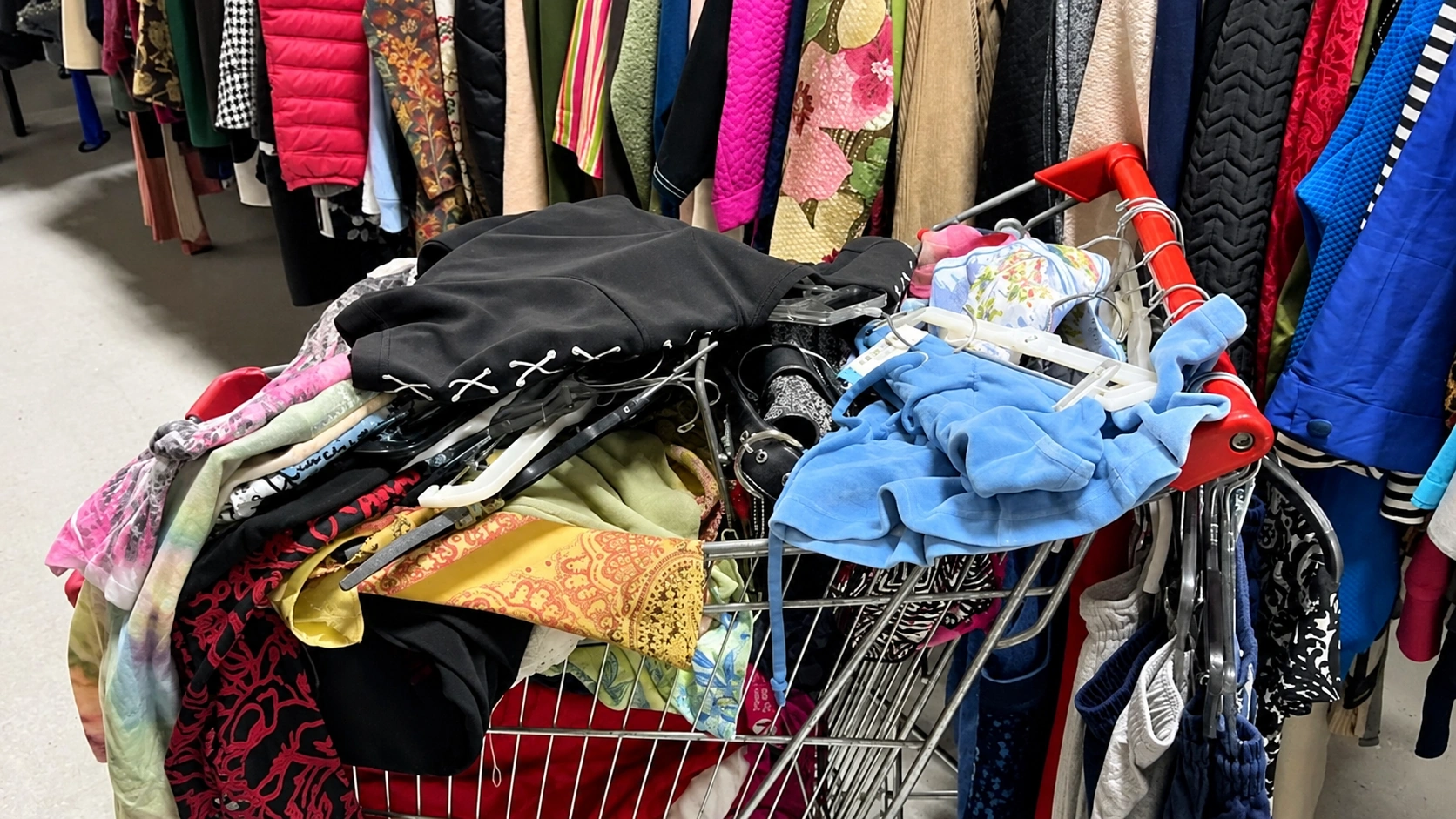
You can’t just walk into a thrift store without a plan, it could be a terrible financial decision. Everything looks exciting and explorative, and you really won’t know when you load up your cart with random pieces of clothing.
Before you leave home, create a simple or detailed wishlist based on what you genuinely need for your wardrobe. It might be a pair of straight-leg jeans, sleeves, loafers, blazers, sweaters, etc, as long as they’re pieces of clothing that work with several outfits.
This is going to help you stay focused on what’s important instead of getting carried away by items you don’t actually need and impulse buying.
Opening your closet and knowing every piece that you got from the thrift store is actually usually to you is one of the rewards of having a wishlist.
2. Check Fabrics and Garment Quality Before Looking at the Brand

This is not restricted to just thrifting, but I’ve realized that labels on clothing items can be very misleading. You might see a poor quality shirt made from less than 5% cotton have a label that says 100% cotton.
A famous brand made from poor materials will rarely outlast a well made garment from a lesser known label, this is why you should examine the fabric by yourself.
I always touch the fabric before checking the tag. Wool, linen, cotton, silk, and quality denim usually feel better, wear better, and age more gracefully than cheaper synthetic materials.
The best fabrics to look for include:
- Cotton
- Linen
- Wool
- Silk
Quality construction often speaks louder than a designer logo. Strong stitching, smooth seams, and durable fabrics make every dollar work much harder.
3. Visit Thrift Stores Regularly for the Best New Arrivals

When I say regularly, that doesn’t mean every single day, but at well-timed intervals. The best prices and quality do not stay on the shelf for too long, especially in popular thrift stores.
Personally, I prefer going to thrift store during the quieter week days. That’s when the shelves are newly stocked and you can shop feeling relaxed due to low buyer traffic. You also have time to just browse the store and find the hidden gems.
With enough regular visits to the same store, you might also pick up on the store’s inventory pattern. For example, some locations consistently receive great jackets, while others seem to specialize in dresses or denim.
Over time, patience becomes one of your greatest fashion superpowers. The more often you look, the greater your chances of finding remarkable pieces.
4. Always Inspect for Stains, Missing Buttons, and Broken Zippers

The feeling of buying a clothing item from the thrift store (or anywhere else), bringing it home and finding out that there’s a damage or bleach-worthy stain is just awful.
It has happened to me a few times in the past, so I’ve learned to thoroughly inspect the items I buy before dumping them on my cart and making a purchase afterwards.
I check collars, sleeves, hems, pockets, buttons, seams, and zippers. A few extra moments inside the store can prevent disappointment later.
Many small issues are easy to fix, but some are not worth the effort. Large stains, permanent fabric damage, or broken hardware can quickly turn a bargain into wasted money.
This little tip protects both your wardrobe and your wallet (which is the whole reason we’re thrifting in the first place). It is a simple habit that pays for itself every single time.
Also Check Out: 15 Smart Fashion Tips for Ladies on a Budget
5. Think About Tailoring Potential Instead of Perfect Fit

When you see an outfit you like at the thrift store, it can be heartbreaking when you realize that it’s not your size (usually bigger). But you should look at it from a different angle.
A garment that is slightly too large can often become a custom looking piece with simple alterations. Tailoring after purchase can make the item into something that’s looks made for you.
Simple alterations worth considering:
- Shortening hems
- Taking in the waist
- Adjusting sleeves
- Moving buttons
Instead of rejecting a nearly perfect item, I imagine what it could become. Sometimes a little tailoring creates the best piece in my entire wardrobe.
Also Check Out: 9 Common Fashion Mistakes That’s Costing You Money & How to Avoid Them
6. Build a Wardrobe Around Timeless Staples Before Trendy Pieces

Unless you have specific trend or outfit in mind that you want to recreate, you should build your wardrobe around basic clothing items that are versatile and requires little styling.
Classic blazers, white shirts, quality denim, tailored trousers, neutral sweaters, and leather loafers create endless outfit combinations that remain stylish year after year.
Once you’re done with adding those essentials, then you can have all the freedom to purchase trends and statement pieces.
Think of timeless staples as the roots of a strong tree. Healthy roots support every branch that grows above them.
7. Explore Every Section, Including Men’s and Oversized Clothing

Some of the your favorite thrift findings might not even be in the female section (or section of your gender). You can find some really hidden gems that you’ll love outside your usual aisle.
For ladies, oversized men’s shirts often become stylish layering pieces. Men’s sweaters, jackets, denim, and even accessories can create unique looks with very little effort.
Unexpected places to explore include:
- Men’s section
- Oversized racks
- Clearance areas
- Seasonal displays
Keeping an open mind often leads to the most memorable finds. Great style rarely follows perfectly straight paths.
8. Wash, Steam, or Dry Clean Every Purchase Before Wearing It

This goes without saying but, every thrifted item you buy needs a fresh start before being added to your wardrobe.
Some of this clothes go through a lot in terms of refurbishing and transport, not to mention, they’ve been touched countless times at the store. Cleaning each piece helps preserve both hygiene and fabric quality.
I usually wash cotton and denim, steam delicate garments, and dry clean structured jackets or wool coats when necessary. Proper care also helps clothing last much longer.
Unlike they raw form they were in when you bought them, freshly cleaned garments simply feel different. They look brighter, smell better, and become much more enjoyable to wear from the very first outfit.
My Final Thoughts
There really isn’t much to add. Oh! When you’re new to thrift shopping, I would advise that you build capsule wardrobes with thrifted items.
You can create stylish outfits for less cash while enjoying the excitement of every thrift store adventure.