15 Smart Budget Fashion Tips for Building a Chic Wardrobe on Less
Building a chic wardrobe does not mean buying everything new or spending beyond your means. Over time, I learned that great style comes from thoughtful choices, not constant shopping. When you focus on what truly works for your body, lifestyle, and budget, fashion becomes less stressful and far more enjoyable. With smart habits, you can look polished, confident, and stylish while spending much less than you think.
1. Define Your Personal Style Before You Buy Anything

Understanding your personal style is one of the most effective ways to save money on clothes. When you know what suits you, shopping becomes focused and less emotional.
From experience, buying without clarity often leads to regret. Clothes may look nice in store but feel wrong at home. Personal style acts as a filter for better decisions.
Style clarity reduces waste and builds confidence over time.
Ways to define your personal style
- Notice outfits you wear repeatedly
- Identify colors you feel comfortable in
- Observe how you dress for daily life
- Save looks that feel realistic
- Stop shopping for imagined versions of yourself
2. Focus on Fit, Fabric, and Construction Over Brand Names
Expensive labels do not guarantee quality. Fit and fabric determine how clothes look and last.
I have owned affordable pieces that looked polished because they fit well. Poor fit can ruin even the most expensive item.
Understanding basic fabric quality changes how you shop.
What to check before buying
- How the garment fits your shoulders and waist
- Fabric thickness and texture
- Stitching and seams
- Comfort when moving
- Ease of washing and care
3. Build Your Wardrobe Around Versatile Core Pieces
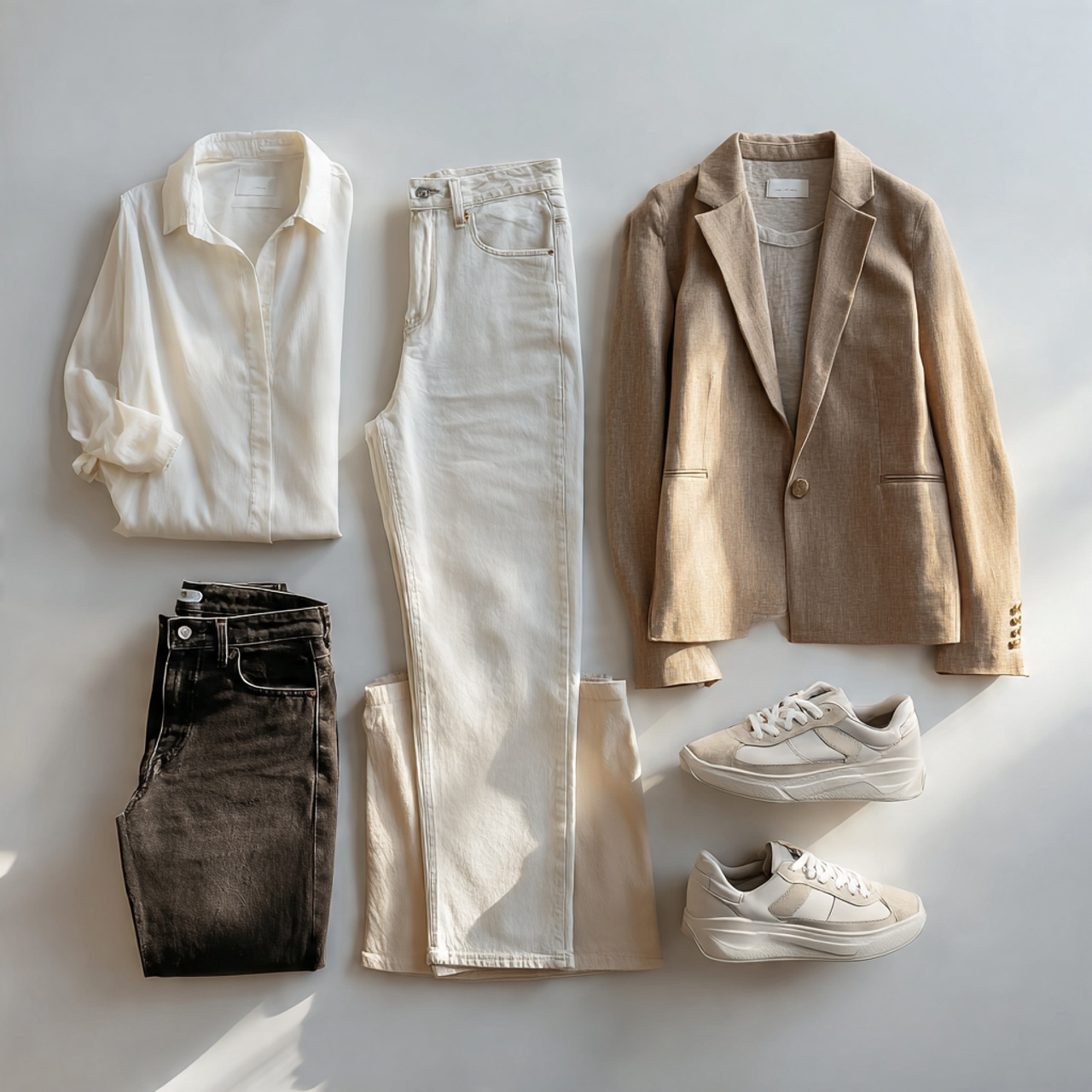
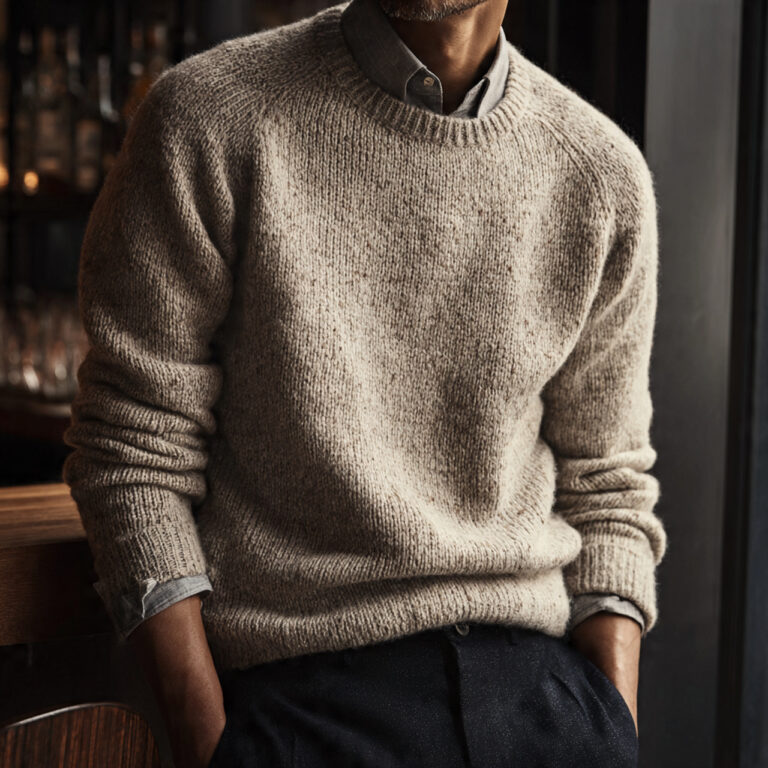
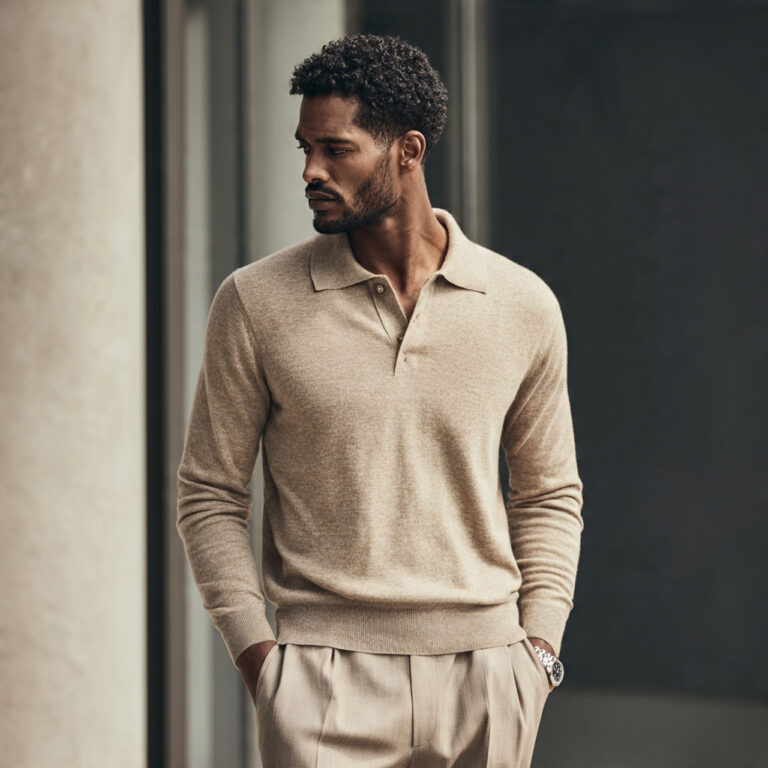
A chic wardrobe starts with strong basics. These pieces mix easily and reduce the need for constant shopping.
From personal experience, core pieces make dressing easier. You can build many outfits from a few reliable items.
Versatility saves both money and time.
Examples of core wardrobe pieces
- Neutral tops and blouses
- Well-fitted trousers or jeans
- Simple dresses
- Lightweight layers
- Comfortable everyday shoes
4. Create a Clothing Budget and Stick to It
A clothing budget gives structure to your spending. It helps you pause and think before buying.
I noticed fewer regrets once I set spending limits. Boundaries made shopping feel intentional instead of impulsive.
Budgeting does not limit style, it supports it.
How to manage a clothing budget
- Decide a monthly or seasonal amount
- Track purchases honestly
- Prioritize needs over wants
- Adjust based on lifestyle changes
- Avoid borrowing from future budgets
5. Shop with a List and Clear Purpose Every Time

Shopping without a plan often leads to unnecessary purchases. A list keeps you focused.
From experience, purposeful shopping reduces clutter. You buy items that work together instead of random pieces.
A list brings clarity and confidence into stores.
How to shop with intention
- Review your wardrobe first
- Identify real gaps
- Write a short list
- Stick to it while shopping
- Leave when the list is complete
6. Learn When to Shop Sales and Clearance Smartly
Timing matters when saving money. Shopping at the right time reduces spending without sacrificing quality.
I learned patience through sales shopping. Most items eventually go on discount if you wait.
Planning around sales saves money long term.
Best times to shop
- End of each season
- Holiday sales periods
- Store clearance events
- Mid-week online discounts
- Off-season months
7. Buy Fewer Trend Pieces and Keep Them Affordable
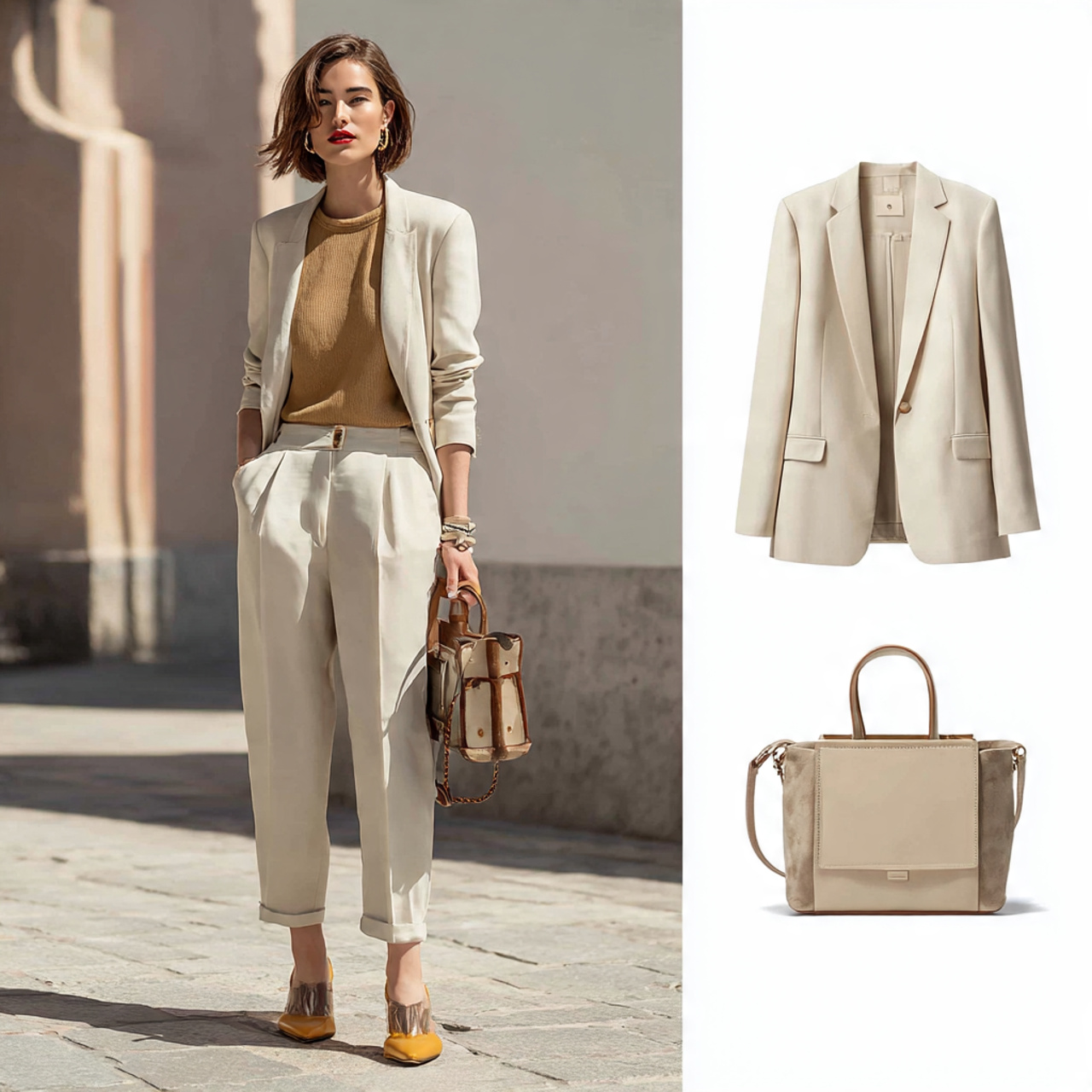
Trends change quickly. Spending too much on them often leads to regret.
From experience, trends feel exciting at first but fade fast. Keeping them affordable protects your budget.
Chic wardrobes balance trends with timeless pieces.
Smart ways to approach trends
- Choose one or two trends at a time
- Buy trend items at lower prices
- Avoid trend-heavy wardrobes
- Focus on classic silhouettes
- Let trends complement basics
8. Invest More in High-Impact Wardrobe Staples
Some pieces deserve more investment because they get frequent use. Spending wisely here saves money over time.
I found that quality staples last longer and feel better. They anchor outfits and reduce replacement costs.
Knowing where to invest makes budgets work harder.
Staples worth investing in
- Outerwear and coats
- Workwear essentials
- Quality shoes
- Structured bags
- Everyday layering pieces
9. Explore Thrift, Vintage, and Secondhand Shopping

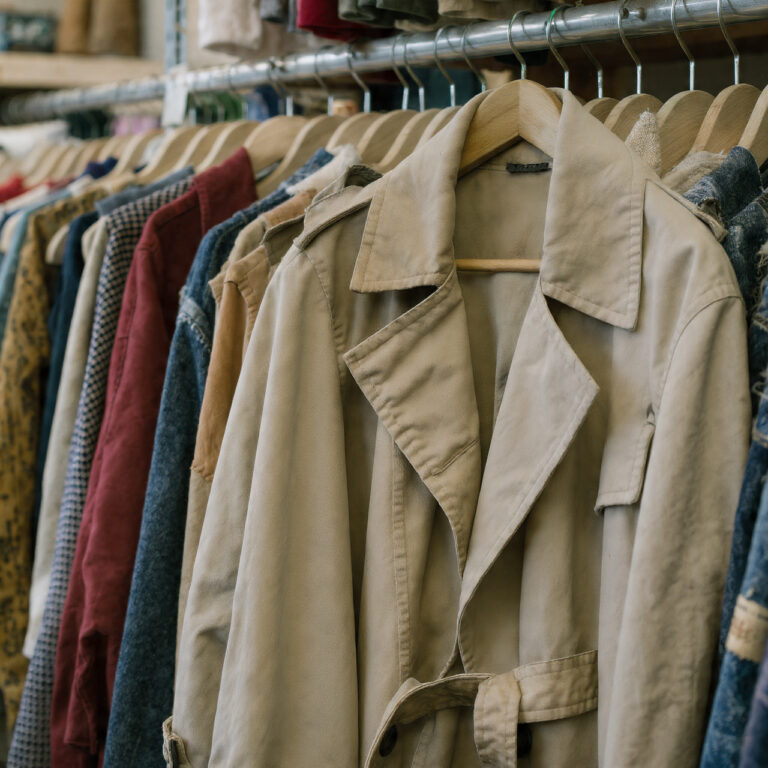
Secondhand shopping offers quality at lower prices. Many pieces are barely worn.
I have found unique items that outperformed new ones. Patience and careful inspection make all the difference.
Secondhand shopping rewards thoughtful buyers.
Tips for secondhand success
- Inspect fabric and seams
- Check for stains or damage
- Focus on timeless designs
- Try items on when possible
- Visit stores regularly
10. Use Accessories to Refresh Outfits Without Buying More Clothes
Accessories are powerful tools for refreshing outfits. They add interest without adding clutter.
I often update outfits with small accessory changes. This keeps my wardrobe feeling new without overspending.
Accessories stretch your style creatively.
Affordable accessory ideas
- Belts and scarves
- Simple jewelry
- Statement shoes
- Neutral handbags
- Hair accessories
11. Care for Your Clothes to Extend Their Lifespan
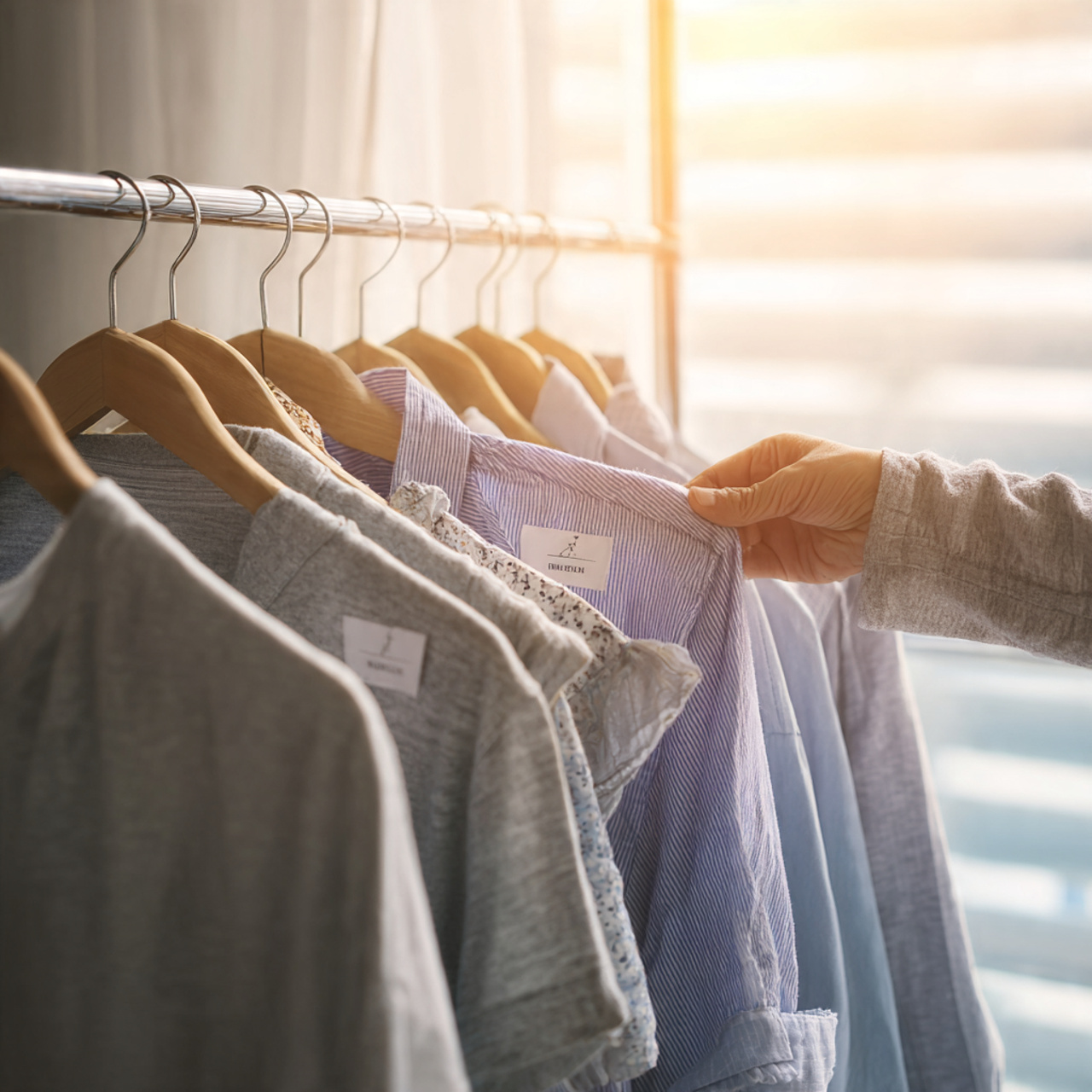
Clothing care is a hidden money saver. Proper care keeps items looking new longer.
From experience, small habits make big differences. Clothes last longer and feel better when treated gently.
Care protects your investment.
Simple clothing care habits
- Read care labels carefully
- Wash less often
- Air dry when possible
- Store items properly
- Repair small issues early
12. Learn Simple Tailoring and Repair Basics
Small alterations can transform clothes. Simple tailoring improves fit without high costs.
I learned basic repairs and saved money. Adjustments made affordable clothes look custom.
Tailoring increases wearability.
Basic tailoring skills to learn
- Hemming trousers
- Replacing buttons
- Taking in waists
- Fixing loose seams
- Shortening sleeves
13. Avoid Emotional Shopping and Fashion Pressure

Emotional shopping leads to regret. Buying during stress or comparison rarely ends well.
I noticed patterns in my spending when emotions were high. Awareness helped me pause and rethink purchases.
Confidence reduces unnecessary buying.
Ways to avoid emotional shopping
- Pause before checkout
- Shop when calm
- Avoid comparison triggers
- Focus on personal needs
- Unfollow pressure-heavy content
14. Review Your Wardrobe Regularly Before Buying Again
Regular wardrobe reviews prevent duplicate purchases. They help you understand what you truly wear.
I started reviewing my wardrobe seasonally. This habit reduced waste and sharpened future shopping choices.
Awareness saves money.
How to review your wardrobe
- Separate worn from unworn items
- Identify favorites
- Note repeated mistakes
- Plan around gaps
- Donate unused pieces
15. Build a Wardrobe That Matches Your Real Lifestyle
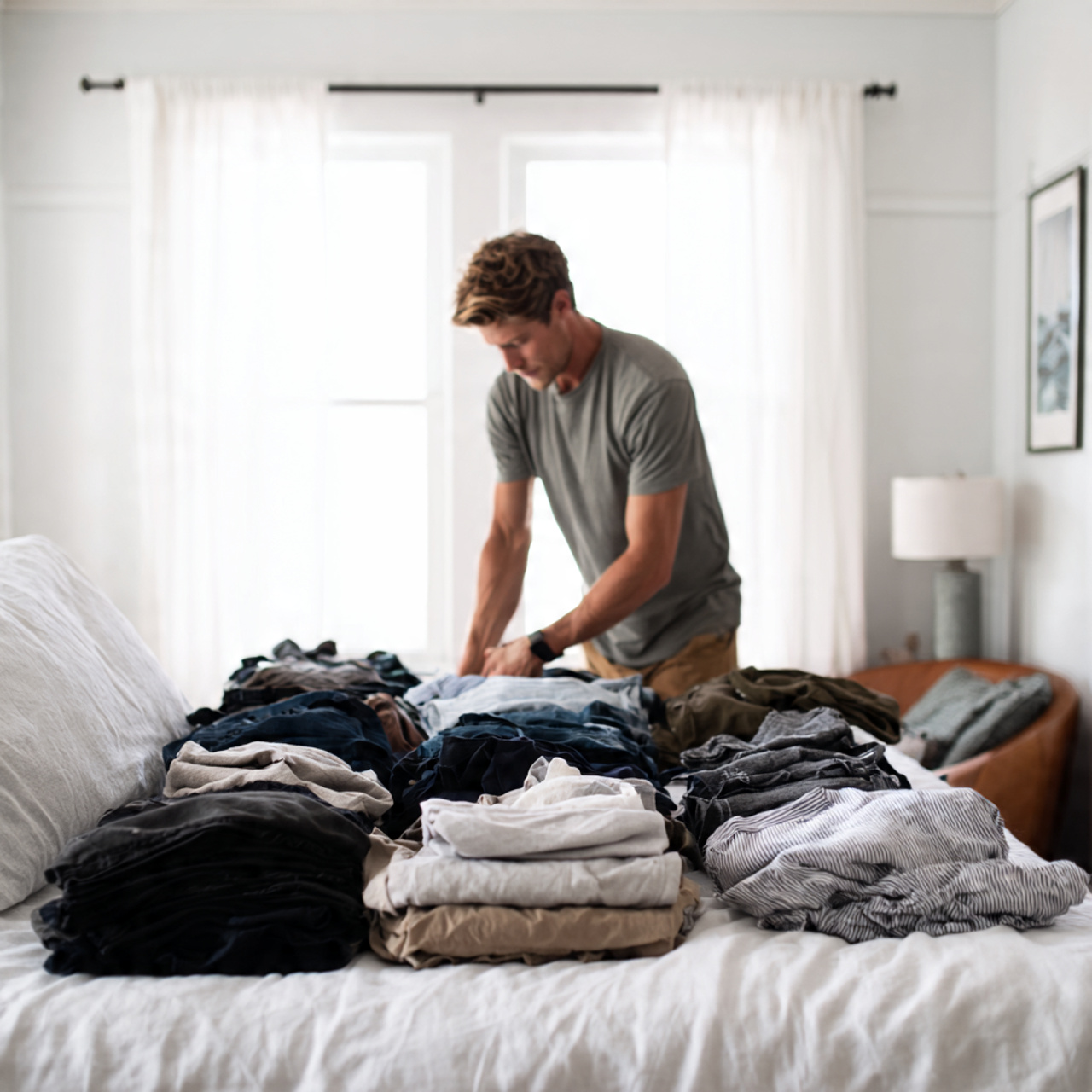
A chic wardrobe should fit your daily life, not an imagined one. Clothing should support how you actually live.
From experience, dressing for reality reduces waste. When clothes match lifestyle, they get worn more often.
Realistic wardrobes feel effortless.
Questions to guide your choices
- Where do you spend most time
- What activities dominate your days
- What clothing feels comfortable
- What outfits repeat naturally
- What pieces remain unused
Conclusion
Creating a chic wardrobe on a budget is not about perfection, it is about consistency. When you shop with intention, care for your clothes, and stay honest about your lifestyle, your wardrobe naturally improves. Over time, impulse buys fade away, confidence grows, and your clothes start working together effortlessly. With patience and smart decisions, style becomes sustainable, affordable, and deeply personal.